


Jordi Torrent is the Strategy Manager at Port de Barcelona.
THE IMPACT OF THE WAR AND THE BLOCKADE OF THE STRAIT OF HORMUZ ON GLOBAL SUPPLY CHAINS
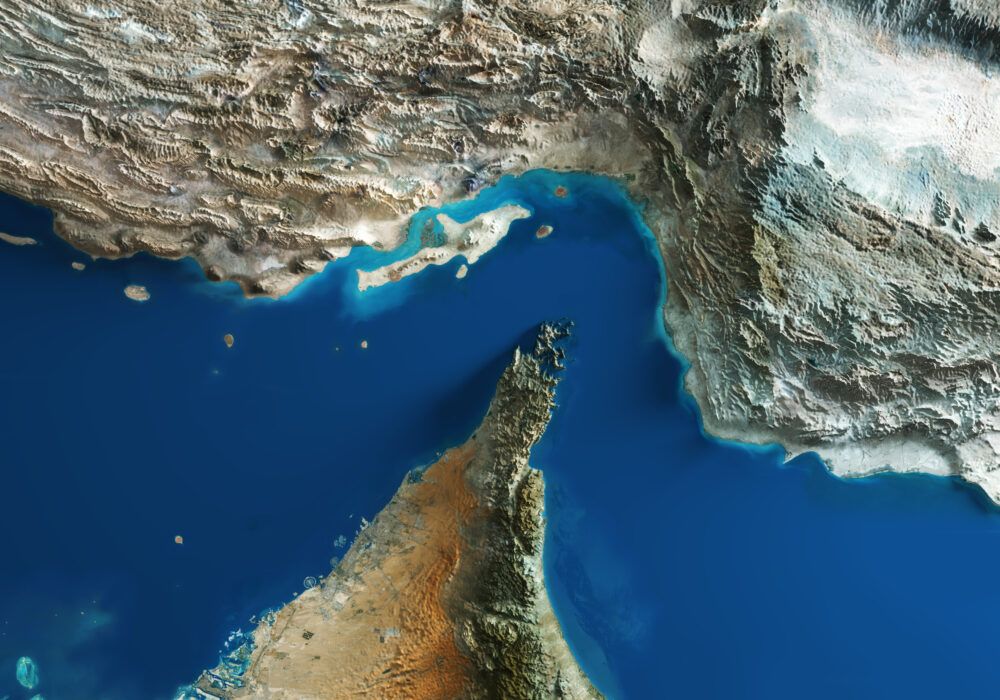
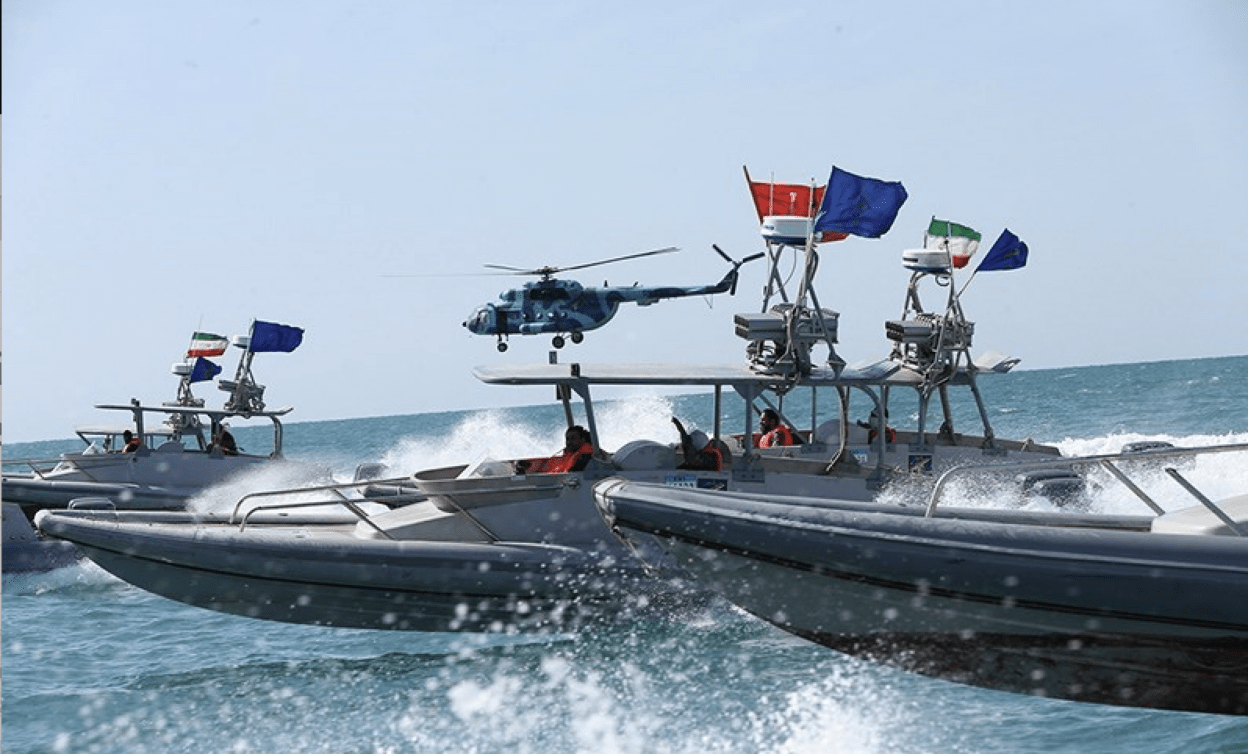
A month has passed since the start of the coordinated attacks on Iran by Israel and the United States (driven by the former, and into which the US was drawn — we will never know whether willingly or reluctantly, convinced or misled by its main ally in the Middle East) — and there is now virtually no one unaware of the importance of the Strait of Hormuz to the global economy.
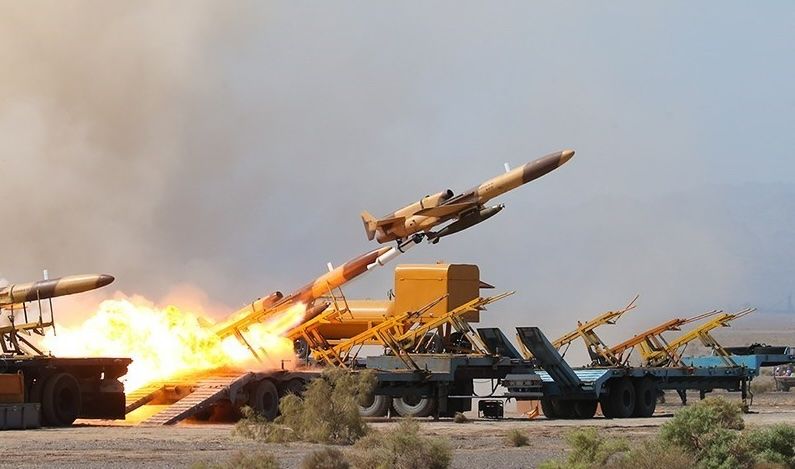
Its effective closure, caused by Western strikes and Iranian reprisals against merchant shipping and the Gulf monarchies, is the primary negative economic consequence of this war, which has already claimed an obscene number of innocent civilian lives, particularly in Iran and Lebanon. Let us not forget that this is the main tragedy of this conflict.
Nor that the war represents yet another devastating blow to the fragile system of international law that the international community has spent seventy years trying to build.
That said, let us return to the subject of this article: the impact that the war and the blockade of the Strait of Hormuz are having on global supply chains, maritime transport, and what the consequences of all this may be.
A CHOKEPOINT WITH NO ALTERNATIVE: WHAT PASSES THROUGH HORMUZ
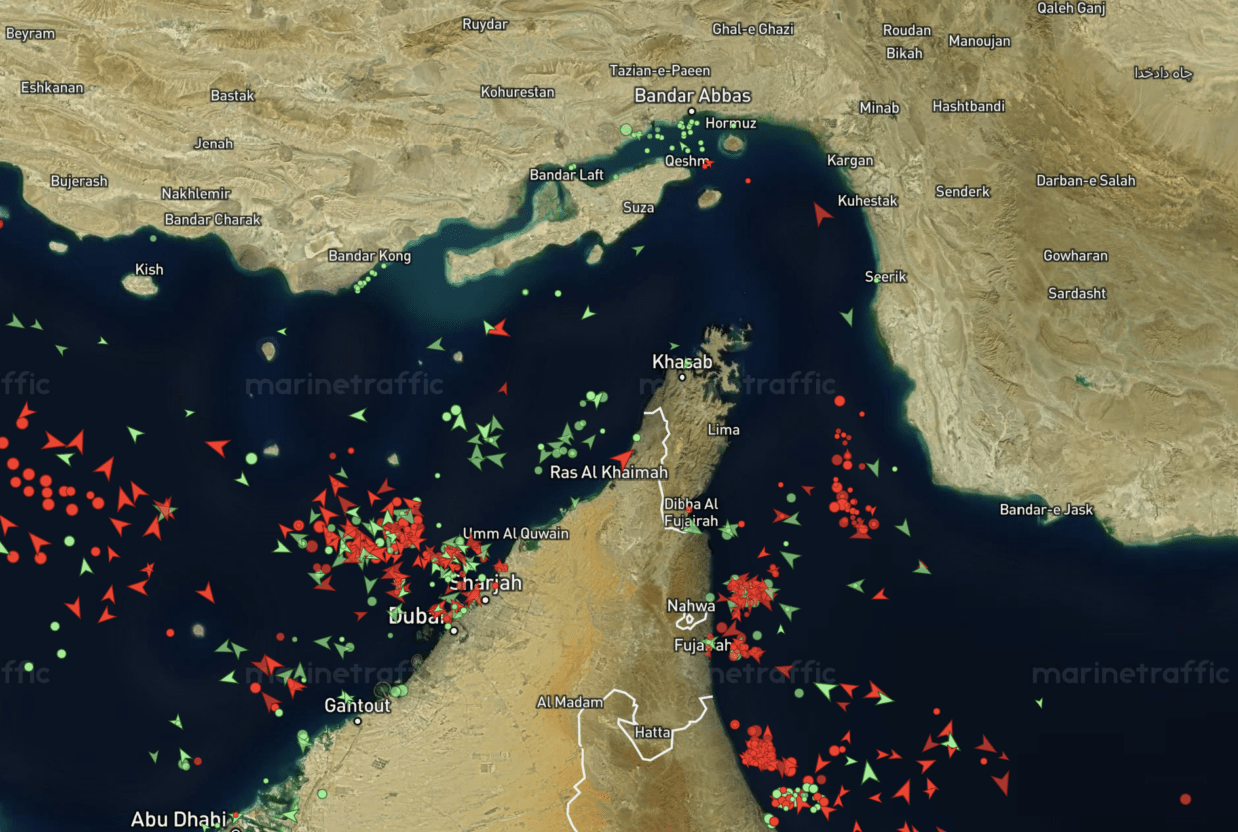
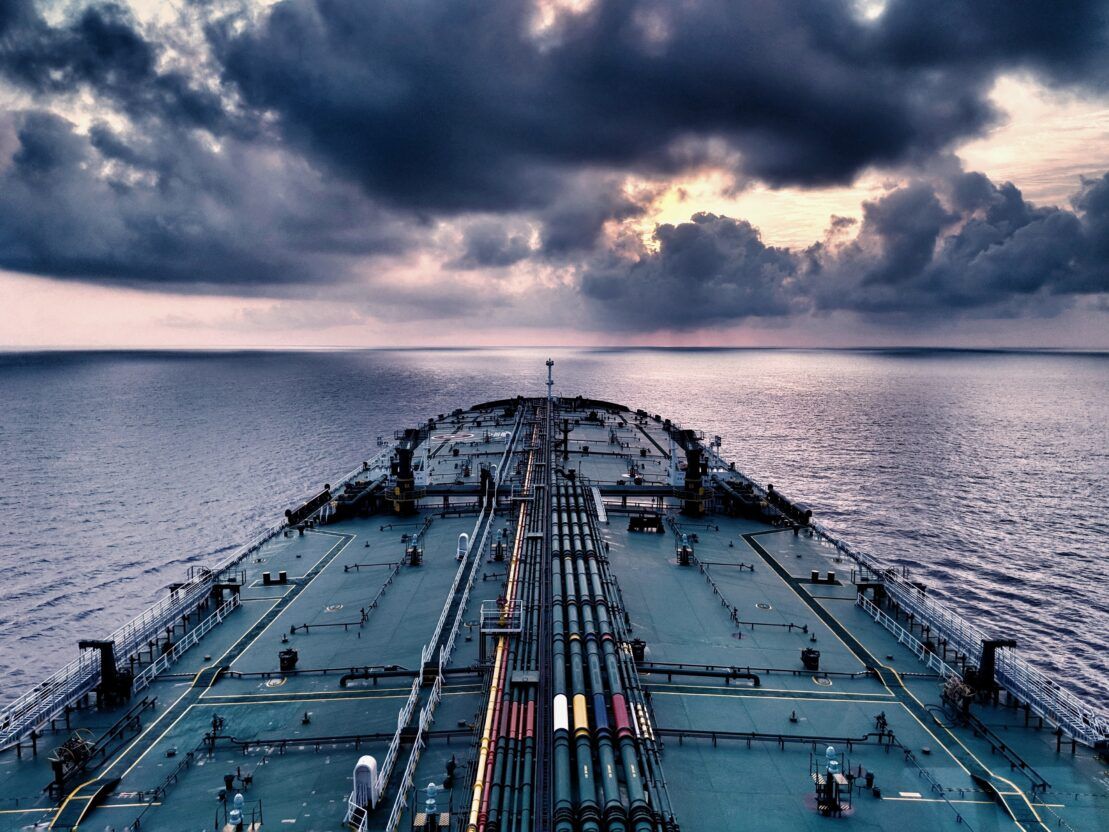
As everyone already knows, approximately 20% of the world's oil and liquefied natural gas passes through Hormuz, destined primarily for Asian countries, along with essential components of global fertilisers (urea and sulphur, for example) and other raw materials and metals important to the manufacturing industry, such as Qatari helium and Bahraini aluminium.
It is a passage with no alternatives capable of channelling these goods at scale — unlike other strategic routes such as the Suez Canal, the Panama Canal or the Strait of Malacca.
The exports and imports of the countries landlocked by the Strait of Hormuz (Iraq, Kuwait, Bahrain, Qatar and the United Arab Emirates) have no other way in or out of the Persian Gulf than through Hormuz, since overland diversions via pipelines, trucks and rail services, or by air, can only absorb a small fraction of the normal maritime flow.
The closure of Hormuz has also dealt a severe blow to the port of Dubai, one of the world's leading container transhipment hubs. Finally, after a prolonged period of low maritime freight prices and rates, the Hormuz crisis has pushed up freight rates for container shipping as well as chartering and transport of liquid and dry bulk cargo.
IMMEDIATE CONSEQUENCES: OIL, FREIGHT RATES AND SECTORS UNDER PRESSURE
The closure of Hormuz is producing a range of negative consequences, including rising oil and natural gas prices, supply shortages in Asian countries with limited fossil fuel reserves (particularly in South-East Asia), and massive losses — or even closures — of companies and factories across highly diverse sectors that depend on Gulf raw materials (South Korean chemical industry, the textile sector in the Indian subcontinent, or Western industries intensive in aluminium consumption such as canned beverages).
There are also difficulties for the agricultural sector in African countries, losses in the European agri-food and textile sectors — which are seeing raw material costs rise while losing access to their markets in the Middle East and the Persian Gulf (for example, alfalfa exporters and traders serving the Emirates and Qatar) — and difficulties in microchip manufacturing, partly dependent on helium sourced from the Persian Gulf, among other impacts.
TWO SCENARIOS: RAPID RECOVERY OR STRUCTURAL DAMAGE
If the conflict ends relatively soon, as seems likely, global supply chains will be able to recover fairly quickly, although some sectors will feel the consequences of the war and the closure of the Strait of Hormuz for years to come.
If the conflict at its current level of intensity — and the total or partial closure of Hormuz — were to drag on until summer or even beyond, the consequences for the global economy could be devastating. This does not appear likely, although the erratic and unpredictable nature of US foreign policy does not allow this scenario to be ruled out.
ACCELERATED TRENDS: THE CHANGES HORMUZ HAS TRIGGERED
Whatever is going to happen over the coming months, what seems inevitable is that the war will not only consolidate but accelerate trends that have been developing since at least the Covid-19 pandemic.
The main long-term trends would be the following:
- The pursuit of strategic sovereignty by major powers in key and highly sensitive sectors, such as the supply of certain raw materials and the production of semiconductors and weapons.
- The weakening of international economic law and the system centred on the World Trade Organization. Greater regional and bilateral integration at the expense of global integration.
- Acceleration of the energy transition, the electrification of the economy and the generation of renewable energy. Also the construction of nuclear power plants.
- Diversification of suppliers and supply routes for major powers (boosting the Arctic route, Central Asian land connections, maritime connections between Africa and Asia, etc.).
- A further decline in the weight of the American economy in global GDP and external trade, to the benefit of Asian countries, particularly China and India.
SHORT-TERM EFFECTS: CAPITAL FLIGHT AND NEW HUBS ON THE HORIZON
In the short term, this dramatic new war and the closure of the Strait of Hormuz will also trigger other significant changes, among which the following stand out:
- the increase in fossil fuel production and exports from the US and Russia
- the flight of capital and investors from the Middle East and the Persian Gulf towards less conflict-prone regions such as Latin America, East Asia and Africa
- the accelerated development of ports and logistics hubs in the broader Middle East seeking to compete with Dubai