


EES System in European Ports: Implementation, Deadlines and Biometric Controls 2026
The European Union takes another step forward in protecting its borders with a new entry and exit system that is currently being implemented gradually until it becomes mandatory during 2026.
Posted on
01.13.2026
What is the Entry/Exit System (EES)?
The Entry/Exit System (EES) is the new registry of people with passports from non-EU member countries who make short-term stays of 90 days in one of the 29 countries using the system.
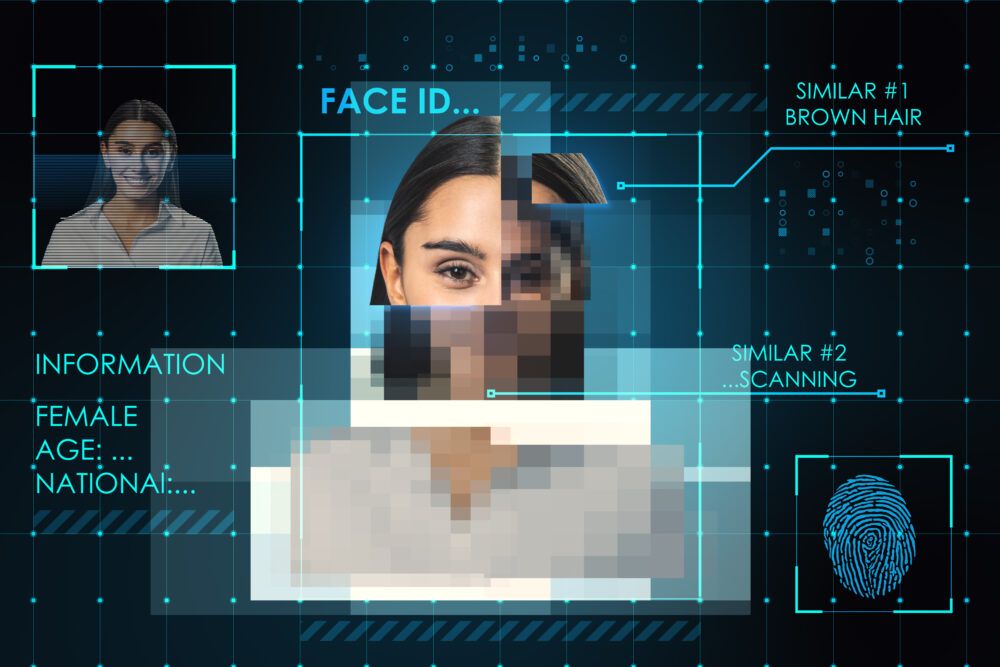
In addition to passport control, biometric facial and fingerprint control of travelers is performed to determine that the person is who they claim to be in their official document.
In force since October 12, 2025, the EES will be fully implemented over the next six months and will coexist with traditional border controls. The goal is to completely replace manual stamping by April 10, 2026, at the latest.
- "The rollout is progressive because different ports, airports, and railway stations are moving at different paces, and because there are different internal border points and with third countries that have required a joint agreement among all EU members," Bernat Baró, Corporate Security Director of the Port of Barcelona, tells PierNext.
The EES provides national authorities with real-time information about who enters the EU and when, which represents an important step in modernizing and strengthening EU border security. Once fully operational, the system will also detect people who overstay their permitted time and cases of document and identity fraud, ensuring a safer travel experience for everyone.
In the coming months, the European Commission and eu-LISA (European Union Agency for the Operational Management of Large-Scale IT Systems) will support member states to ensure the proper functioning of the system.

Why is the EES being implemented?
The history of the EES dates back almost a decade. The European Commission presented the first proposal on April 6, 2016, as part of the 'Smart Borders' package. After negotiations with the European Parliament and the Council, an agreement was reached in July 2017.
The EES Regulation, together with a specific amendment to the Schengen Borders Code, was adopted on November 20, 2017, and entered into force on December 29, 2017.
It was on December 4, 2024, when the Commission proposed introducing a gradual rollout of the system. "Security policies have gained greater prominence in this legislature, as seen for example in the investment to improve military mobility," Baró notes.
The goal is, in this case, to establish a common policy for entries and exits from the European area, since controlling the movement of people between EU countries is complex without a global and shared vision.
Who does the EES apply to?
The Entry/Exit System applies to third-country nationals (not belonging to the EU, Iceland, Liechtenstein, Norway, or Switzerland) who make short-term stays of up to 90 days within a 180-day period, whether or not they need a short-term Schengen visa.
- The EES does not apply to: EU citizens, Iceland, Liechtenstein, Norway, or Switzerland; holders of long-term residence permits in Schengen area countries; cross-border workers; and holders of long-term visas or residence permits issued by Schengen area countries. Brexit Withdrawal Agreement beneficiaries are also exempt.

Benefits of the new border control method
- Modernizing and increasing the efficiency of border controls
Replacing passport stamping streamlines border controls and allows staff to work more efficiently. - Facilitating and expediting border crossings
With the EES, travelers will spend less time on border procedures thanks to faster controls, self-service options, and the ability to provide information in advance. - Preventing irregular migration
By using fingerprint and facial data, the system prevents people from overstaying or using false identities. - Increasing security in the Schengen Area
The EES will allow border agents and police authorities to access important information about travelers, helping them detect security risks and support the fight against serious crime, organized crime, and terrorism.
"The first thing third-country nationals have to do is register, something they will need to do every three years. But if it's someone who enters and exits frequently to visit their family, for example, a first registration will be sufficient," notes the Corporate Security Director of the Port of Barcelona.

What data does the system store?
The EES electronically records the following data for each traveler:
- Personal data: full name, date of birth, nationality, gender, travel document data.
- Biometric data: fingerprints and digitized facial image.
- Travel information: date, time, and place of each entry and exit.
- Information on entry refusals, if applicable.
The data is stored for three years from the last recorded entry or exit, complying with the EU's General Data Protection Regulation (GDPR).
Travel to Europe mobile application
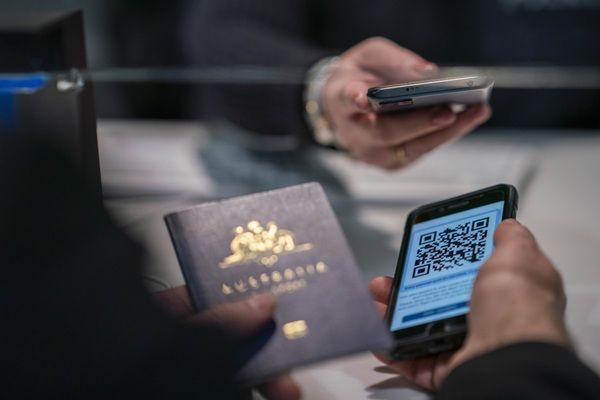
To facilitate the border process, Frontex has developed the Travel to Europe mobile application, which allows pre-registration of information up to 72 hours before arriving at or leaving a European country using the EES. The application scans the biometric passport via NFC, captures a facial image, and allows users to answer the entry questionnaire in advance.
Although the app's use is voluntary, it is expected to significantly reduce waiting times at borders. It is currently available in Sweden, with expansion planned for France, the Netherlands, and Italy during 2026. It is important to note that it does not replace border controls or guarantee automatic entry.
Towards a new security standard
To date, the implementation follows the logic of any new operation, with a gradual deployment that allows operational adjustments before full implementation in April 2026. The coming months will be decisive in consolidating a system that not only modernizes European border management but also establishes a new standard of security and efficiency in cross-border movement control.
The EES represents a fundamental step in the digital transformation of European borders, anticipating future integrations with systems like ETIAS (European Travel Information and Authorization System), planned for late 2026.
This technological evolution redefines how Europe manages international mobility, balancing the facilitation of legitimate transit with the strengthening of common security.