


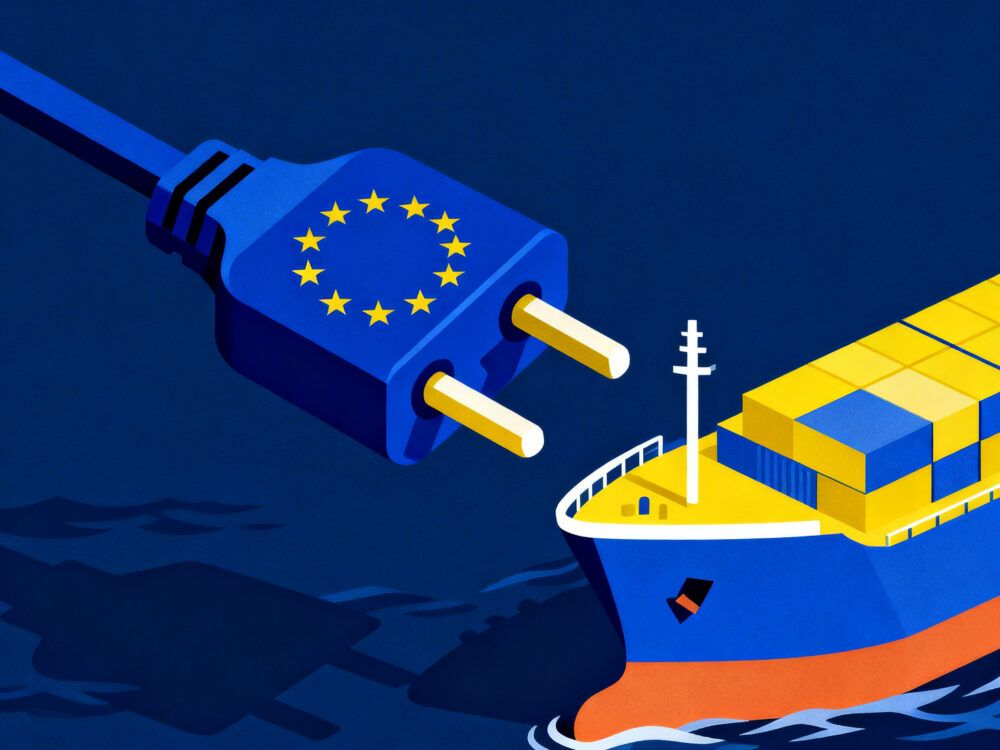
The electrification of the sea: Europe navigates towards a zero-emissions horizon
Battery-electric propulsion is breaking into European shipping with force, driven by an unprecedented EU legislative framework and a market set to double in size over the next decade. The Barcelona Electric Marine Show, taking place on 10, 11 and 12 April at the Port Olímpic, is the closest barometer of this transformation.
Posted on
03.26.2026
MODULAR CHARGING CORRIDORS: THE INFRASTRUCTURE ELECTRIC INLAND SHIPPING NEEDS
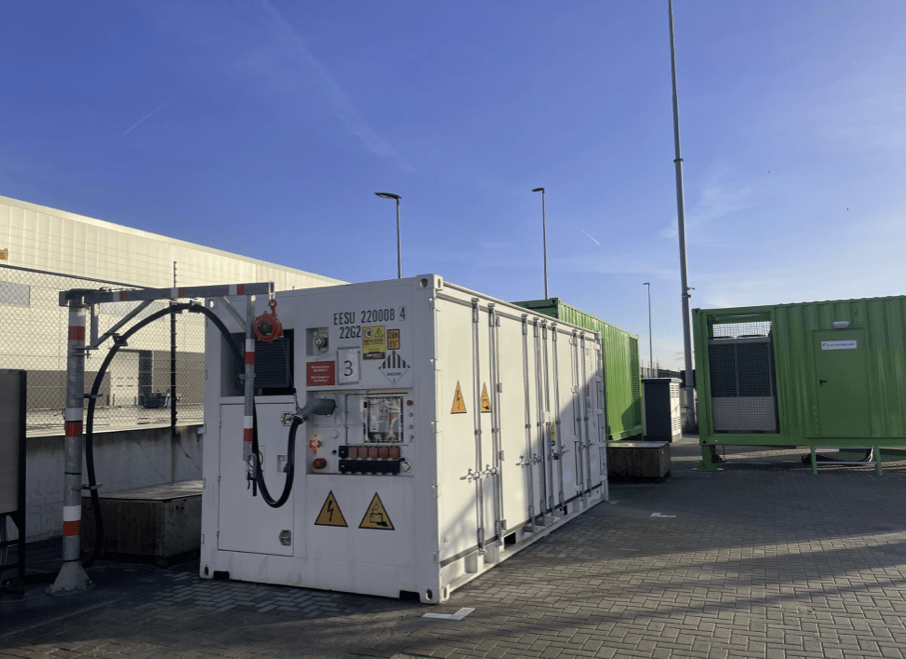
A concrete response to the charging infrastructure challenge comes from the PIONEERS project, funded under the EU's Horizon 2020 programme and coordinated by the Port of Antwerp-Bruges. Its feasibility study proposes a corridor of modular docking stations for energy containers along the Antwerp–Willebroek–Venlo route, enabling inland barges to operate without diesel by swapping energy modules — compatible with battery-electric, hydrogen or biodiesel propulsion — at multiple points along the way.
The project has validated technical feasibility at three locations and concludes that the modular design is transferable to other European inland waterway corridors. The main barrier is not technical but economic: the model requires additional public funding frameworks to be commercially viable.
PART OF THE 'FIT FOR 55' STRATEGY: THE POLLUTER PAYS
Electric shipping can be seen as a tool contributing to the 'Fit for 55' strategy for achieving emissions neutrality by 2050, reducing them across sectors including transport, agriculture, buildings and waste.
Specifically, maritime transport generates between 3% and 4% of total CO₂ emissions in the EU, with container ships and bulk carriers as the main contributors to this carbon footprint.
Until 2024, a vessel could enter and leave a European port without paying for the tonnes of carbon dioxide left in the air. That changed on 1 January of that year, when the EU extended its emissions trading market to maritime transport through Directive (EU) 2023/959. The logic is simple: the polluter pays.
Another pillar of European legislation is the FuelEU Maritime, in force since the start of 2025. It requires vessels calling at European ports to progressively reduce the carbon footprint of the energy they consume, regardless of which fuel they choose to achieve this.
This regulatory framework has helped consolidate a wave of innovation in the European maritime sector, and electrification has become a reality with strategic economic impact. It is also spreading beyond the ferry sector, with results already visible in other areas such as tugboats.
TUGBOATS: THE SMALL BUT MIGHTY VANGUARD OF ELECTRIFICATION
Port tugboats are one of the most active fronts. They can account for up to 19% of the emissions generated by port infrastructure, making their electrification an important first step towards pollution neutrality. The upfront cost of an electric tugboat is approximately 50% higher than a diesel equivalent, although fuel savings are 100% and maintenance is significantly cheaper over the vessel's working life.
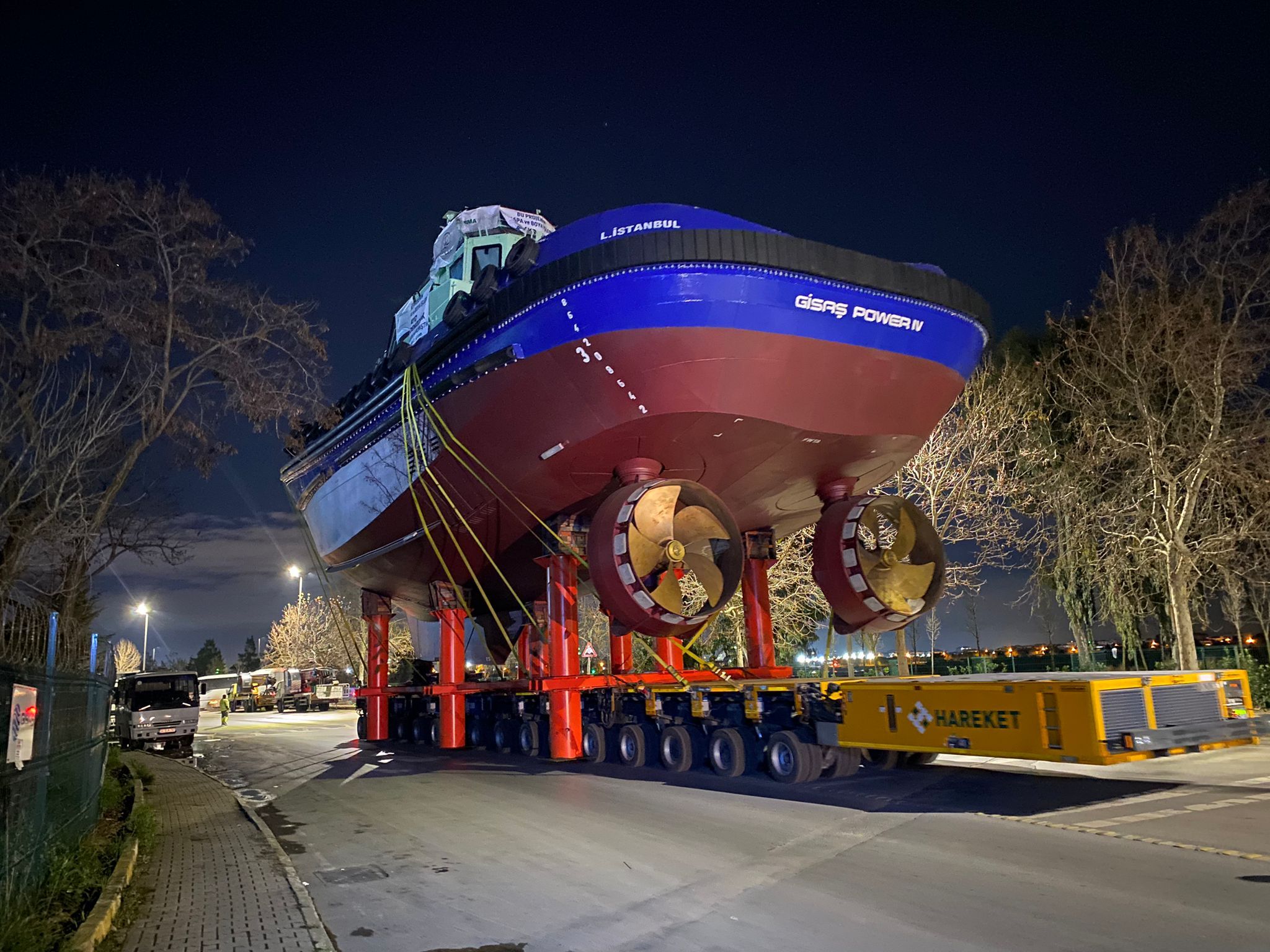
A good example can be found in the Green Marine Med project, in which the Port of Barcelona participates. NAVTEK Naval Technologies, the Turkish company behind the ZEETUG family — the world's first fleet of fully electric, rechargeable tugboats, with models ranging from 30 to 80 tonnes of bollard pull — took part as a technology partner in the project, within which it developed a port decarbonisation feasibility study for the Port of Barcelona. The Port of Barcelona is itself one of the driving forces behind the Centre of Excellence on Mediterranean Green Shipping, the flagship initiative to emerge from this EU-funded project. A collaboration that shows how tugboat electrification has moved beyond a niche proposition to become a strategic piece of the green transition in Mediterranean ports.
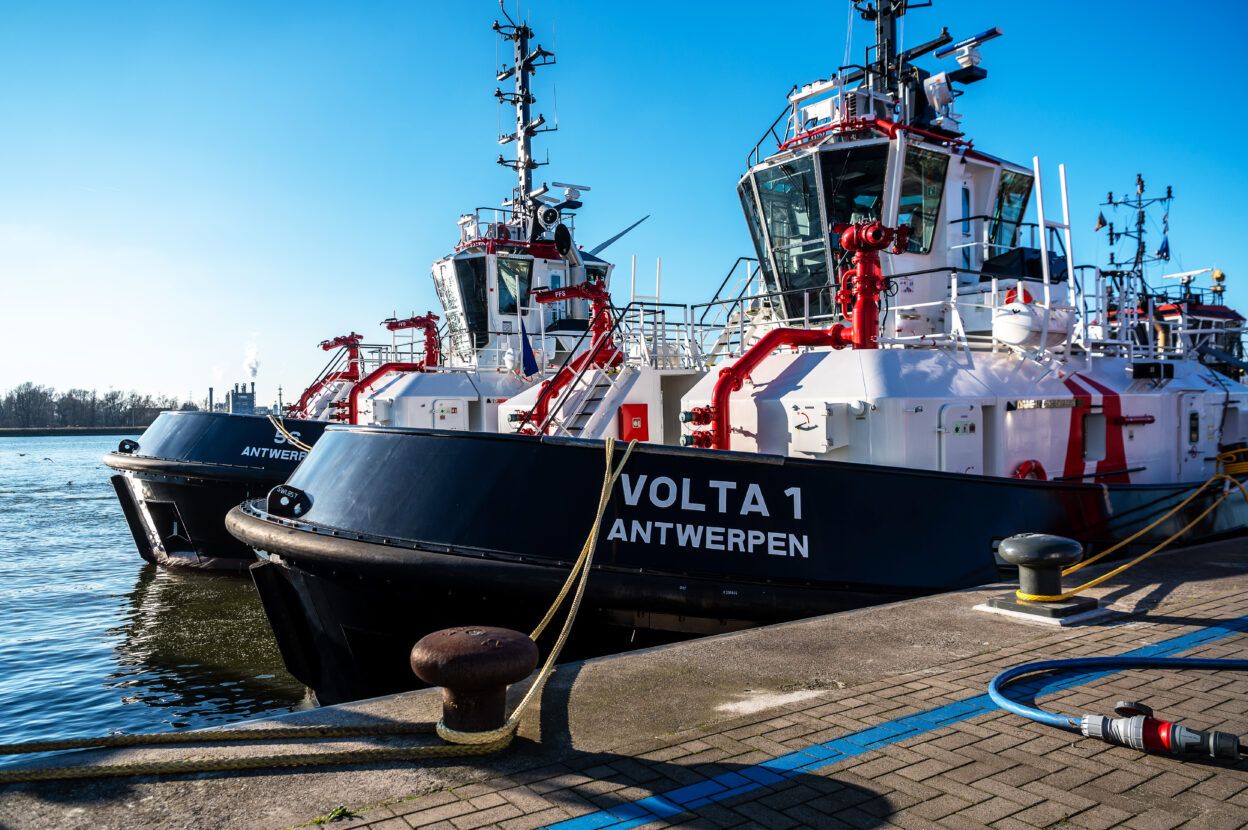
Among other concrete initiatives, the Port of Antwerp's Volta 1 stands out: the first tugboat on EU territory powered by lithium battery and which began operating on 19 May 2025. Its bollard pull is 70 tonnes, matching the power of conventional fossil-fuel models. It can also be recharged in 2 hours, minimising downtime.
Stepping outside the EU but remaining in Europe, the BB Electra tugboat entered service at the Port of Oslo a year earlier, demonstrating the Scandinavian country's pioneering profile in electrified shipping.
OUTSTANDING CHALLENGES: INFRASTRUCTURE, COSTS AND FRAGMENTED REGULATION
This positive landscape should be seen only as a first step towards further progress. Charging infrastructure, although covered by AFIR (the Alternative Fuels Infrastructure Regulation), still needs to be developed at many European ports — particularly those with lower traffic volumes. Recreational marinas and smaller river ports are not subject to the same mandatory deadlines, generating uncertainty that slows adoption among operators and private owners.
Adrià Jover, from the International Electric Maritime Association (IEMA), identifies the following areas for improvement:
- interoperability, particularly regarding the energy efficiency of charging points: «you need to be smart about distributing energy according to demand». He goes on to explain that «a charger in France belongs to France, but intelligent distribution cannot be just French — it has to be European».
- he also considers that many ports are still «without any kind of upgrade and cannot meet demand in megawatts, not kilowatts. The grid needs reinforcing, and here energy companies need to play a more active role, anticipating this demand».
- another challenge worth highlighting is the upfront investment required for electric vessels. They are more expensive than their diesel equivalents at the point of purchase, although they lower operational costs over time (fuel and maintenance). This gap between initial outlay and long-term return remains a particular obstacle for small operators.
- Jover also flags regulatory fragmentation. Each EU member state interprets and applies EU regulations with different nuances, creating a regulatory patchwork that complicates planning for manufacturers and operators working across borders. Added to this is the uncertainty around safety standards for large-capacity marine batteries — an area in which organisations such as ABS and Lloyd's Register published their first risk identification guides in 2025, but where an internationally harmonised code is still awaited.
The 2050 horizon already has concrete coordinates: legislation passed, ports plugging in, tugboats charging in two hours and ferries crossing the Mediterranean without emissions. Europe leads this transition because it built the rules first and the infrastructure second. The next step — the intelligent interoperability of the electricity grid — will determine whether that leadership is consolidated or diluted.
And that debate, Jover warns, cannot wait.