
3D Factory Incubator: a hub to revolutionise the industrial sector with km0 manufacturing
- [On-screen text]: PierNext: 3D Factory Incubator.
- Speaker 1 (Aitor Aragón, 3D Factory Incubator): "3D Factory Incubator is an initiative led by the Consorci de la Zona Franca and Fundación Leitat, co-financed with ERDF funds through Fundación INCYDE. It aims to incubate the top 25 3D printing projects worldwide so that companies can start with a 3D printing mindset right from inception. We are looking for industrial entrepreneurs who can leverage all the production, process, and design 3D printing equipment that the incubator offers."
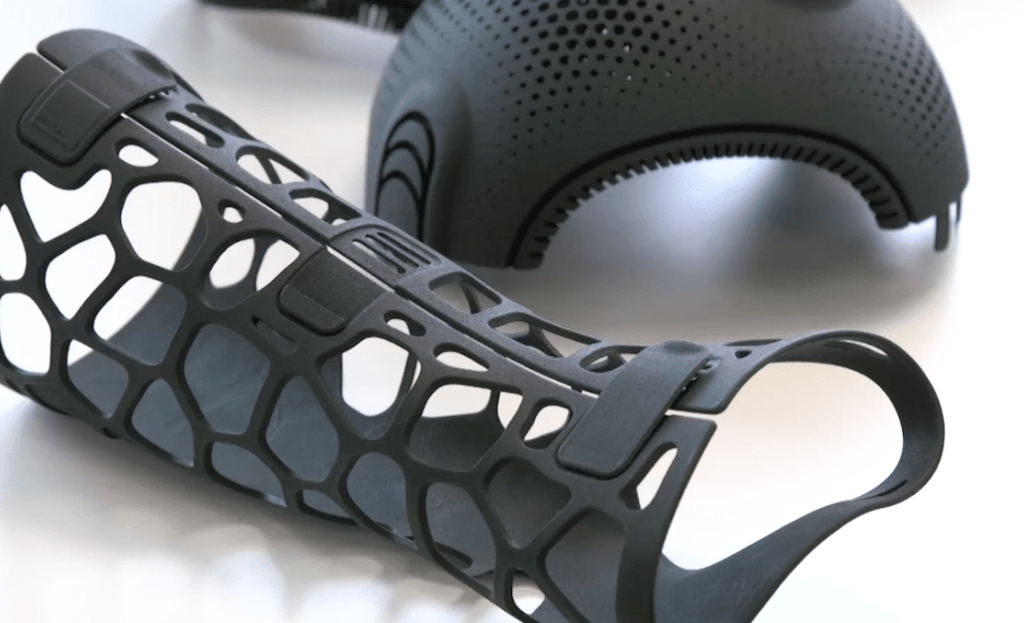
- [Visual]: Shots of the 3D Factory Incubator facilities at Barcelona's Zona Franca, industrial 3D printers operating in real-time, and display samples of manufactured components.
- Aitor Aragón: "The goal is to incubate 25 initiatives per year. The incubator opened recently, and we have already selected the first 16 incubated companies. Shortly, we will launch our second call for proposals, hoping to find the remaining nine gems. The great virtue of 3D printing is that it is a cross-cutting technology that serves an endless variety of sectors."
- Aitor Aragón: "For instance, we have a company producing saxophones using 3D printing technologies, many companies making dental products, others manufacturing shoe soles... And the company selected from the logistics sector is Transcoma Logistics. They understood that 3D printing will transform how goods are manufactured, purchased, and transported."
- Aitor Aragón: "A traditional factory production line is very costly. A 3D printer is not cheap yet, but it is far more accessible. This eliminates barriers to entry in manufacturing and brings back decentralized production. What moves around will no longer be finished goods, but raw materials. Transport will become much more efficient and reduced. Being close to a port or airport means being adjacent to core trade corridors essential for growth."
- Aitor Aragón: "Fused filament technology was patented in the 80s in the US, and patents expired in 2012 in Europe. Since 2012, we've seen exponential growth, though actual implementation in corporate value chains remains low. The maturity of the technology is extremely high, but companies still don't know how to use it; that's where we must focus our efforts."
- [Visual]: Robotic arms operating, 3D scanners, and intricate polymer and metal printed parts.
- Speaker 2 (Joan Alberich, Leitat): "3D technology is a disruptive tool leaning heavily toward customization. Anything driving customization and digital sectors will revolutionize packaging, prototyping, and manufacturing cost efficiency. We assist companies and see a major impact across three key pillars: prototyping (gaining speed and flexibility), tooling and fixture manufacturing for production lines, and overall productivity."
- Joan Alberich: "How this shift unfolds is still evolving. Shipping finished products is vastly different from transporting powders and chemical inputs needed for 3D printing. We are facing new business opportunities. 3D printing was born to bring manufacturing closer to design and creation. Therefore, its impact on logistics is clear: goods will be produced at 'kilometer zero', much closer to where consumption happens."
- [Visual outro]: PierNext logo (Innovation by Port de Barcelona).