
Motorways of the Sea aim to be even more sustainable
- [On-screen text]: PierNext: Motorways of the sea - Climate Action Program.
- Speaker 1 (Isabelle Ryckbost, Secretary General of ESPO - European Sea Ports Organisation): "Ports are a very important part of the overall shipping logistics chain and they have an important role to play in this effort. If you take for example operational energy efficiency from ships, you see that there are margins for improvement in the port sector, such as 'Just-in-Time' arrival through better communication between the port and the ship. Ships could slow down, avoiding time spent at anchor, thereby reducing energy consumption and greenhouse gas emissions. Ports are deeply committed to climate action because they combine commercial and public interests, and they are literally on the front line regarding sea-level rise and extreme weather events."
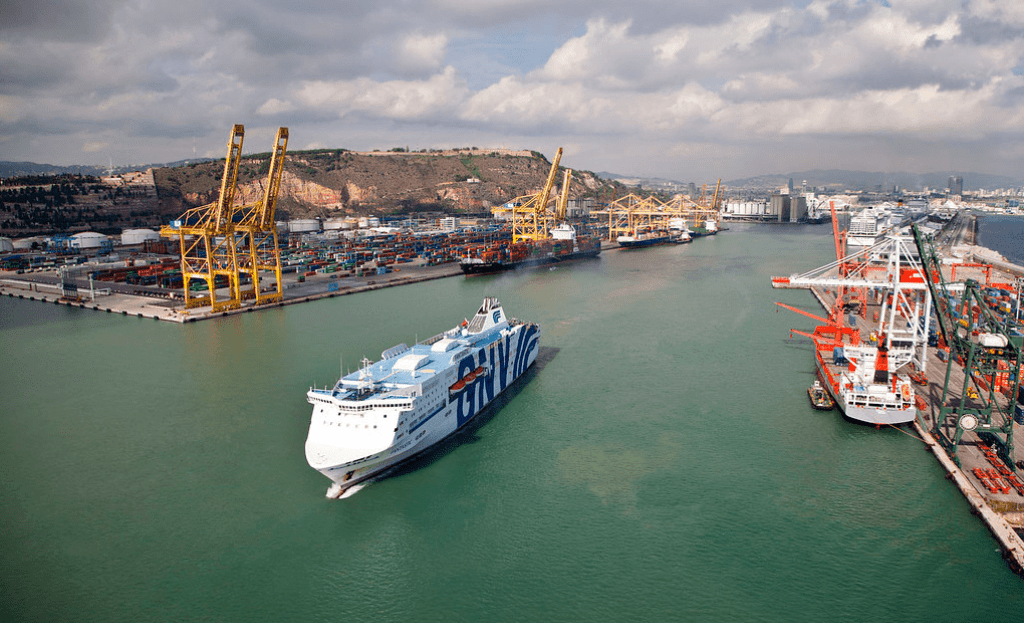
- [Visual]: Aerial footage of the Port of Barcelona, cargo ships and ferries docked at terminals, alongside technical meetings between port authorities and shipping lines.
- Speaker 2 (Industry Expert): "We presented the Transmed multimodal corridor, which connects ports and highlights the importance of maritime transport between both shores of the Western Mediterranean to promote European commercial exchange."
- Speaker 3 (Shipping Line Representative): "We are investing in hybrid systems across our fleet, installing scrubbers and integrating high-capacity lithium batteries—equivalent to 90 Tesla cars. Ports must also invest in adapting infrastructure for alternative fuels like LNG."
- Speaker 4 (Jordi Vila, Head of Environmental Department at Port de Barcelona): "At the Port of Barcelona, our objective is shifting as many trucks as possible from roads to rail and sea corridors. Sea connectivity yields a massive environmental benefit. Ships staying in port are increasingly leveraging batteries and new technologies to drastically cut emissions."
- Speaker 5 (Representative from the Port of Genoa): "The Port of Genoa has several actions underway to comply with decarbonization regulations. Our port stretches along a densely populated urban coast, handling 75 million tons of cargo yearly right next to the town. We are investing in LNG distribution facilities, renewable energy production (solar and wind power), and supplying clean energy to vessels at berth."
- Isabelle Ryckbost: "If through Motorways of the Sea we can shift trucks off the road onto ships, and green the hinterland connections via rail, this represents a crucial part of the climate solution."
- Speaker 6 (Shipping Representative): "We have demonstrated how lines like Barcelona–Civitavecchia significantly reduce emissions compared to road transport. It is vital to encourage shipowners investing in eco-friendly technology through incentives, such as fee discounts based on best available technology."
- Speaker 7 (Representative from Grimaldi Lines): "To adopt new operational models and reduce fuel consumption, we need close cooperation with ports. In Italy, for instance, operating LNG-powered ships requires local regulations and bunkering infrastructure. The Port of Barcelona has been strongly committed for years. In June 2018, we signed the 'Blue Agreement' alongside major shipowners (Grimaldi, GNV, Tirrenia) to voluntarily reduce sulfur emissions below legal thresholds ahead of the 2020 regulations."
- [Visual outro]: PierNext logo (Innovation by Port de Barcelona).