The new Atlantic ECA accelerates the environmental transition of European maritime transport

Innovation Advisor at the Port of Barcelona
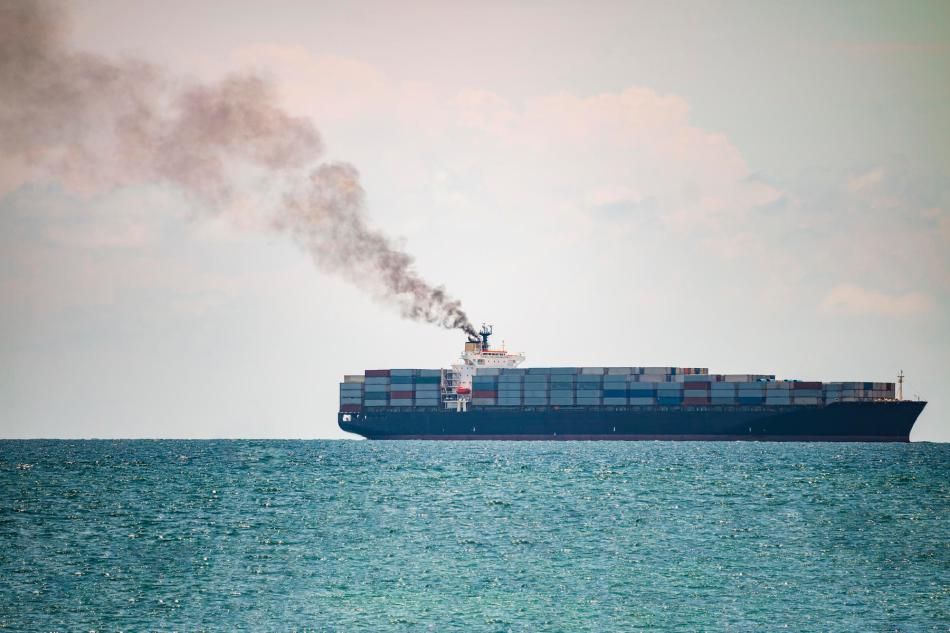
The new Emission Control Area approved by the International Maritime Organization (IMO) in the north-east Atlantic will affect waters off several European countries, including Spain, France and Portugal. Beyond the regulatory change, the decision accelerates the environmental transformation of maritime transport and opens up new challenges for ports: cleaner fuels, waste management, new energy services and greater capacity for anticipation.
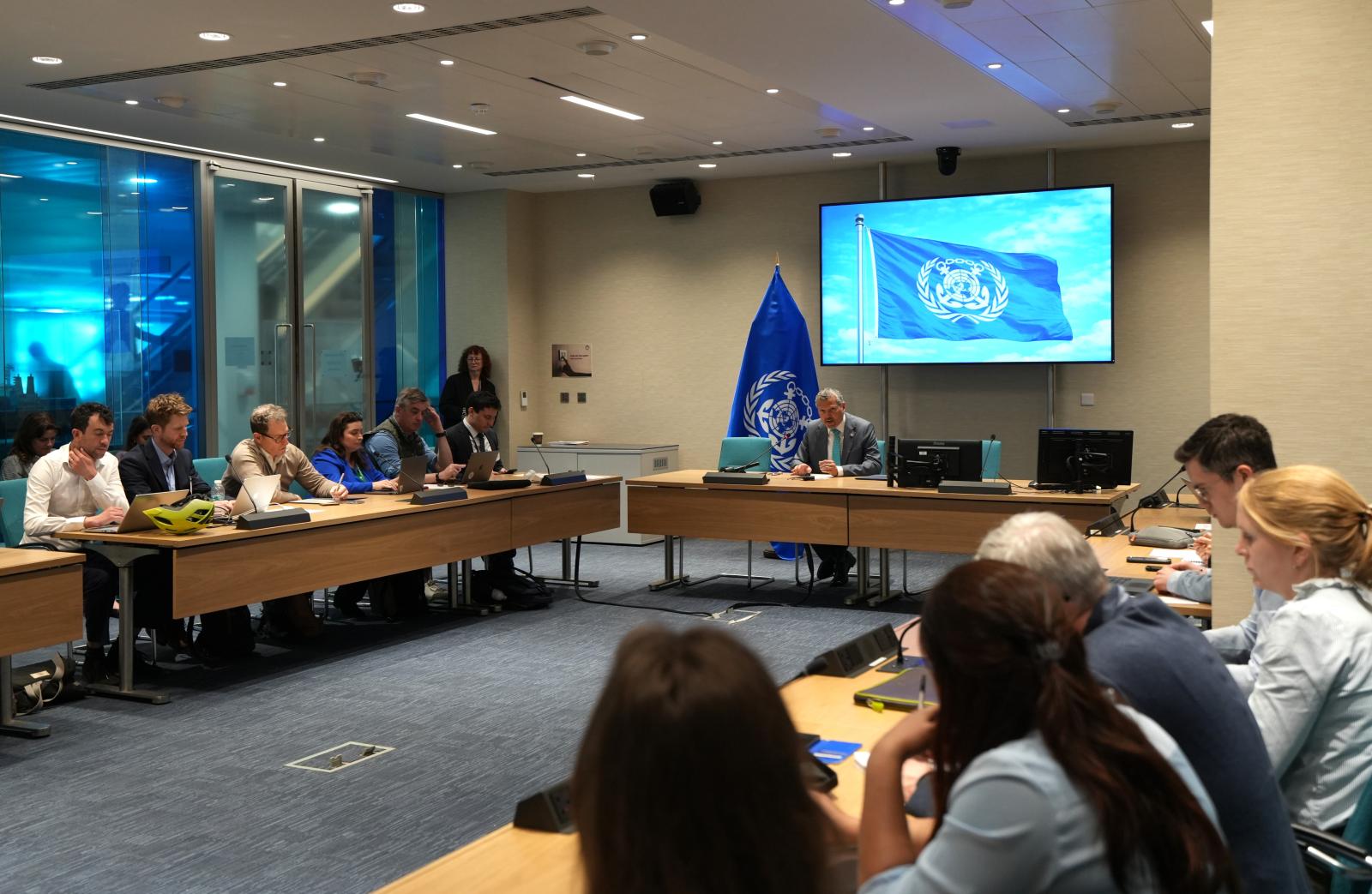
The environmental map of maritime transport continues to expand. The IMO has approved a new Emission Control Area in the north-east Atlantic, which will include waters off several European countries and strengthen the connection with other existing control zones.
"The approval of the new north-east Atlantic ECA is part of a wider process to reduce ship emissions, prevent pollution and strengthen the protection of the marine environment," notes the International Maritime Organization (IMO) in its official communication IMO progresses work on ship emissions, pollution and ocean protection.
The new ECA will enter into force on 1 September 2027 and will apply in full from 1 September 2028. From that point, ships sailing within this area will be required to use fuel with a maximum sulphur content of 0.10%, compared with the global limit of 0.50%. This represents a requirement five times stricter and a reduction of 80% compared with the maximum permitted internationally, under the framework of MARPOL Annex VI, which regulates air pollution from ships.
Beyond the regulation itself, the decision confirms a clear trend: European maritime transport is moving towards a more regulated, cleaner model with greater demands on the entire logistics chain.

What is an ECA and why does it matter
An ECA, or Emission Control Area, is a maritime zone where ships must meet stricter environmental requirements than those applied globally. The aim is to reduce polluting emissions from maritime transport, particularly sulphur oxides, nitrogen oxides and fine particulates associated with the combustion of fossil fuel.
"ECAs are designed to reduce key air pollutants from maritime transport, such as sulphur oxides, nitrogen oxides and particulates associated with the combustion of marine fuel," states MARPOL Annex VI, particularly in its regulations on SOx, NOx and particulate matter.
But the importance of an ECA goes beyond regulatory compliance. These areas have a direct impact on air quality in coastal and port areas, where maritime activity coexists with cities, communities and ecosystems. At the same time, they act as a driver of transformation for the sector, pushing shipping companies, ports and service providers towards cleaner fuels, more efficient engines, new infrastructure and more demanding environmental control systems.

What the IMO has approved
The new Emission Control Area in the north-east Atlantic will include waters off several European countries, including Spain, France and Portugal, and will join a network of existing control zones, such as those in the Baltic Sea, the North Sea, the Mediterranean, the North American area and the United States Caribbean.
"The new Atlantic ECA does not stand as an isolated zone, but as a piece that strengthens the connection between the emission control areas of Europe and North America," notes Gard in its analysis New Atlantic ECA links Europe and North America.
The decision reinforces the idea of an increasingly demanding maritime map from an environmental standpoint, particularly along some of the main European trade routes. By connecting with other ECAs, this new area will help create a more continuous network of shipping with reinforced environmental standards.
According to the planned timeline, the new ECA will enter into force on 1 September 2027 and will apply in full from 1 September 2028. From that point, ships sailing within this zone will be required to use fuel with a maximum sulphur content of 0.10% and, in the case of ships built from 2027 onwards, to meet new nitrogen oxide (NOx) emission standards as well.

What changes this means for maritime transport
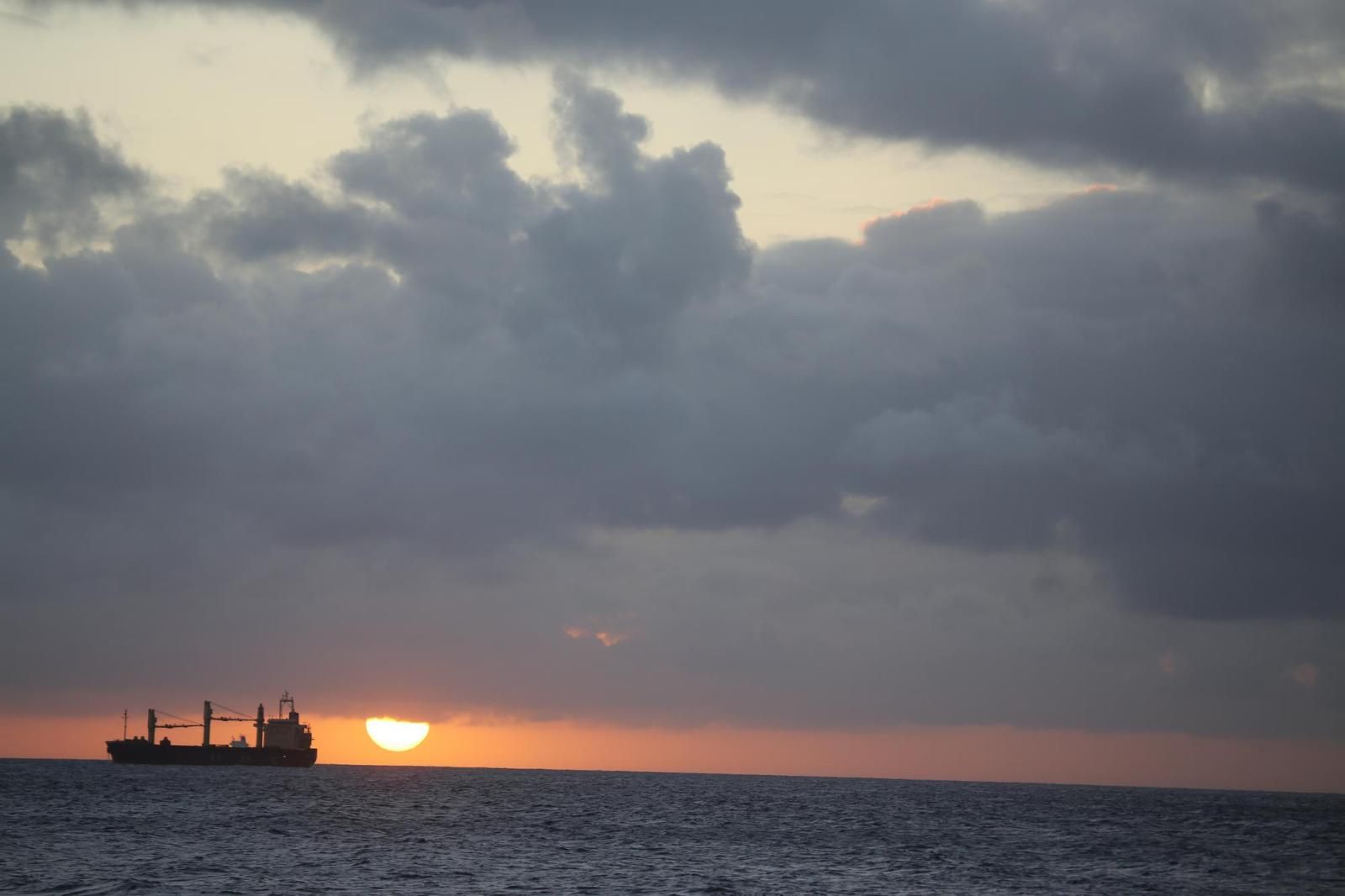
The new ECA will require maritime transport to operate to stricter environmental standards in a key area of European shipping routes. The most immediate change will be the use of fuel with a much lower sulphur content: within this area, the limit will be 0.10%, compared with the 0.50% permitted globally.
For existing ships, this does not necessarily mean modifying the engine. To comply with the sulphur limit, shipping companies will be able to use low-sulphur fuel before entering the ECA or turn to equivalent emission reduction systems, such as scrubbers, provided these are accepted under applicable regulations. The main adaptation will therefore be operational and energy-related: better planning of fuel supply, ensuring its traceability and making sure the ship meets requirements throughout its voyage within the regulated area.
"Compliance with emission limits does not always depend on a single solution: ships can use low-sulphur fuel or equivalent emission reduction systems, such as scrubbers, provided these are accepted by the competent administration," according to the MARPOL Annex VI framework and IMO guidelines on Exhaust Gas Cleaning Systems.
The stricter nitrogen oxide (NOx) requirements will mainly affect newly built ships. In these cases, the regulation may influence engine design, propulsion systems and emission reduction technologies incorporated from the outset. This could accelerate the technological renewal of the fleet and drive more efficient solutions with less environmental impact.
Taken together, the new ECA introduces not only a regulatory obligation but also a clear message to the sector: the maritime competitiveness of the future will increasingly depend on the ability to reduce emissions, adapt to new fuels and operate within a stricter environmental framework.
The impact on ports
The new ECA will not affect ships alone. It will also have a direct impact on ports, as they are a key piece in making this transition possible.
- On the one hand, ports will need to be ready to meet growing demand for cleaner fuels, such as low-sulphur fuel or other alternatives aimed at reducing polluting air emissions, particularly sulphur oxides, nitrogen oxides and fine particulates. This could affect bunkering services, infrastructure planning and the way different actors in the port community coordinate with one another. "The availability and quality of fuel oil are essential elements in guaranteeing ships' environmental compliance, particularly in areas with stricter limits such as ECAs," states MARPOL Annex VI.
- For ports, this translates into greater pressure on bunkering services, coordination with energy suppliers and traceability of the fuel supplied.
- On the other hand, this regulation also reinforces the need to better control the environmental impact of maritime activity. Ports will need more information, data and monitoring systems to ensure that operations are carried out in line with increasingly demanding environmental standards.
- It should also be borne in mind that some of the solutions ships use to reduce emissions, such as scrubbers, can generate waste or liquids that must then be properly managed. The challenge, therefore, is not only to reduce pollution at sea, but to ensure that the entire logistics chain is ready to manage these changes.
Ultimately, the new ECA could be a driving force in accelerating the transformation of European ports towards a more sustainable, more technologically advanced model, better adapted to the new environmental demands of maritime transport.
Regulation, sustainability and innovation: a shared agenda
The new Atlantic ECA arrives at a time when port sustainability can no longer be understood solely as a future objective, but as a necessity requiring concrete decisions today — decisions on energy, infrastructure, fuels, port services and adaptive capacity.
In this scenario, innovation will play a key role. Digitalisation can help ports better control consumption and emissions, optimise ship calls, plan energy supply and improve fuel traceability. At the same time, solutions such as shore-side electrification or the deployment of alternative fuels can help reduce the environmental impact of maritime and port activity.
"Ports are key players in the deployment of new energy infrastructure, from shore power to alternative fuels," according to European regulation on alternative fuels infrastructure, AFIR, and the FuelEU Maritime regulation, which promote the use of renewable and low-carbon solutions in maritime transport.
Regulation sets the starting point, but it does not solve everything. The difference will be made by the ability of ports and the maritime sector as a whole to prepare before requirements become mandatory. This means investing in energy infrastructure, bunkering services adapted to cleaner fuels, shore power systems, waste reception and management facilities, and digital tools to monitor consumption, emissions and operations. Anticipating and coordinating will be as important as complying with the regulation itself.

What this could mean for ports on the Atlantic and Cantabrian coasts
The new ECA will have a particularly significant impact on ports located on the Atlantic and Cantabrian coasts, which will fall within the regulated area or be directly linked to the routes operating within it. For these ports, the change will not be purely regulatory: it will also affect how they plan services, energy infrastructure and environmental strategies.
One of the main challenges will be ensuring that ships can access fuel compatible with the new ECA. The most immediate change will be moving from the global sulphur limit of 0.50% to a maximum of 0.10% within the regulated area. This could increase demand for low-sulphur marine fuels, such as marine gas oil or other products suitable for ECA zones, and will require ports to coordinate with suppliers, terminals and operators to adapt bunkering services, ensure availability and guarantee fuel traceability.
It may also increase the need for more environmental information and more precise monitoring systems. Ports will need to play an active role in data management, fuel traceability and operational control, particularly as environmental requirements become increasingly strict.
In addition, this new regulation could accelerate projects that many ports already have underway, such as shore-side electrification, improved energy efficiency, the deployment of alternative fuels or the adoption of digital tools to manage ship calls, consumption, energy supply and environmental data. In this sense, the new ECA represents not only a regulatory obligation but also an opportunity for affected ports to strengthen their role in the transition towards more sustainable maritime transport.
And what could this mean for the Port of Barcelona?
Although the new north-east Atlantic ECA does not directly affect the Port of Barcelona, as it lies outside the regulated Atlantic waters, its approval is not a distant matter. On the contrary: it reinforces a trend that Barcelona is already experiencing first-hand in the Mediterranean, where a specific Emission Control Area has also been activated to reduce sulphur oxides and fine particulates from maritime transport.
"The Mediterranean is already part of the international map of emission control zones: ships sailing through it must use fuel with a maximum sulphur content of 0.10%," notes the IMO in its communication New sulphur emission limits enter into effect in the Mediterranean, following the approval of the Mediterranean ECA under Resolution MEPC.361(79).
This connection matters.
- For ports on the Atlantic and Cantabrian coasts, the new ECA will mean adapting services and operations to stricter limits. For Barcelona, the message is complementary: the Mediterranean is already part of this regulatory map, confirming that environmental requirements are no longer local exceptions but a new normal for European maritime transport.
- The Mediterranean already offers a clear reference point for what an ECA can mean. The Mediterranean emission control area for sulphur oxides and particulates, approved by the IMO under MEPC 79, requires ships to use fuel with a maximum sulphur content of 0.10%. Some estimates put the reduction in SOx at around 78.7% and in fine particulates at around 23.7% in the Mediterranean.
- For the Port of Barcelona, this context reinforces the need to keep advancing in areas such as shore-side electrification, the availability of cleaner fuels, reducing emissions in port operations, and using data to more precisely monitor environmental activity. It also means coordinating with shipping companies, terminals, energy suppliers and administrations to ensure the transition is not only regulatory but also operational.
The new Atlantic ECA, therefore, does not directly change shipping conditions at the Port of Barcelona, but it does reinforce the framework within which the entire European maritime sector will have to operate. For Mediterranean ports, the challenge is no longer whether stricter rules will arrive, but how to anticipate them, adapt infrastructure and turn environmental regulation into a lever for innovation and competitiveness.
One more step towards a cleaner maritime network
The new north-east Atlantic ECA is one more step in the environmental transformation of maritime transport. An increasing number of zones now require ships to comply with stricter rules to reduce emissions, showing that the sector is moving towards cleaner, more controlled shipping.
"Reducing emissions, preventing pollution and protecting the marine environment are all part of the same international agenda," notes the IMO in its summary of MEPC 83. For ports, this vision confirms that sustainability is no longer a separate area from operations, but a condition increasingly integrated into maritime competitiveness.
For companies operating ships, this regulation means adapting fuels and ways of operating. For ports, it means preparing to respond to new needs: cleaner fuels, appropriate infrastructure, proper waste management and greater environmental monitoring capacity.
Sustainability is no longer just an environmental objective, but also a competitiveness factor. Ports and companies that best anticipate these changes will be better prepared to meet the sector's new demands.
The challenge will be to carry out this transition in an orderly and viable way, with real, coordinated solutions involving administrations, ports, shipping companies and operators. The new Atlantic ECA is not the end of the road, but one more signal that the future of European maritime transport will be more regulated, more technologically advanced and cleaner.
References
- International Maritime Organization (IMO). IMO progresses work on ship emissions, pollution and ocean protection. Available at: https://www.imo.org/en/mediacentre/pressbriefings/pages/imo-progresses-work-on-ship-emissions-pollution-and-ocean-protection.aspx
- International Maritime Organization (IMO). New sulphur emission limits enter into effect in the Mediterranean. Available at: https://www.imo.org/en/mediacentre/pages/whatsnew-2254.aspx
- International Maritime Organization (IMO). Marine Environment Protection Committee, MEPC 83. Available at: https://www.imo.org/en/mediacentre/meetingsummaries/pages/mepc-83rd-session.aspx
- Gard. New Atlantic ECA links Europe and North America. Available at: https://gard.no/en/insights/new-atlantic-eca-links-europe-and-north-america/
- International Maritime Organization (IMO). Resolution MEPC.361(79): Amendments to MARPOL Annex VI concerning the Mediterranean Sea Emission Control Area for Sulphur Oxides and Particulate Matter. Adopted by Marine Environment Protection Committee, MEPC 79, in December 2022.
- International Maritime Organization (IMO). MARPOL Annex VI: Regulations for the Prevention of Air Pollution from Ships. In particular Regulation 13, on nitrogen oxides (NOx); Regulation 14, on sulphur oxides (SOx) and particulates; Regulation 18, on fuel oil availability and quality.
- International Maritime Organization (IMO). Resolution MEPC.340(77): 2021 Guidelines for Exhaust Gas Cleaning Systems. Adopted by the Marine Environment Protection Committee, MEPC 77.
- European Union. Regulation (EU) 2023/1804 on the deployment of alternative fuels infrastructure. Official Journal of the European Union, 2023.
- European Union. Regulation (EU) 2023/1805 on the use of renewable and low-carbon fuels in maritime transport. Official Journal of the European Union, 2023.