The role of ports in CO₂ circularity

PhD Fellow Energy Transition | Port of Barcelona
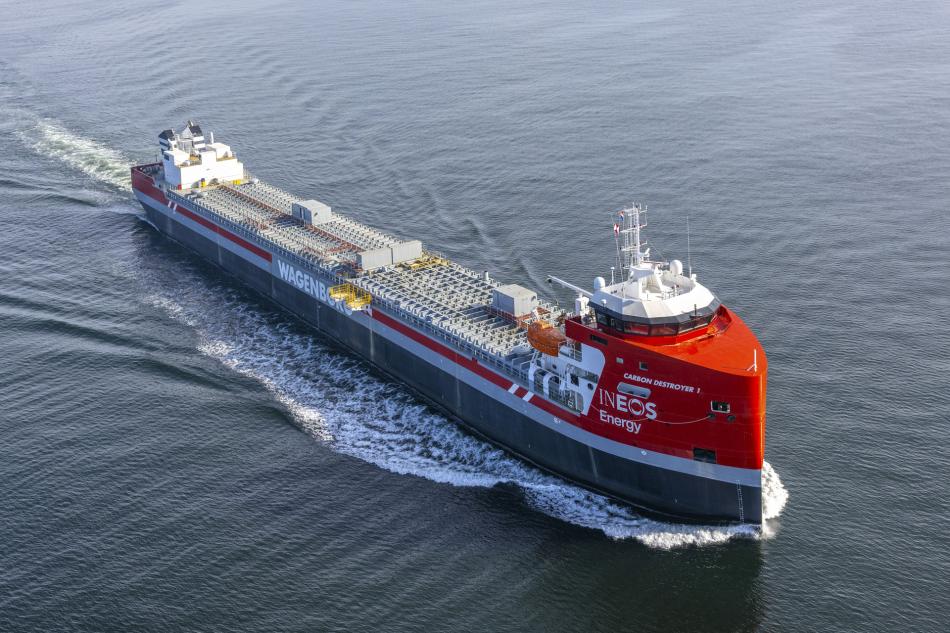
Maritime transport faces an increasingly urgent challenge: cutting its emissions to meet international climate targets. Among the various solutions being explored, carbon capture, utilisation and storage (CCUS) is gaining relevance, particularly where electrification or alternative fuels still face limitations, such as low energy density, high costs or the lack of large-scale infrastructure.
In this context, ports are emerging as key nodes for enabling CO₂ circularity in the energy transition.
Types of carbon capture
Carbon (CO₂) capture encompasses a set of technologies designed to reduce emissions by capturing this gas both from industrial sources and directly from the air, for subsequent storage or reuse. In the industrial sphere (CCS), three main methods stand out: post-combustion, pre-combustion and oxy-combustion, which differ in the point of the process at which the CO₂ is separated.
Direct air capture (DAC), meanwhile, makes it possible to extract CO₂ straight from the atmosphere, albeit with a higher energy cost owing to the low concentration of this gas in the air.
These technologies currently operate at commercial scale, with 45 active facilities capturing around 50 million tonnes of CO₂ a year, mainly in natural gas processing (65.3%) and in hydrogen and ammonia production (14.9%). New capture sources are gradually being added in power generation, heavy industry and emerging technologies.
According to the International Energy Agency (IEA), this evolution points towards greater sectoral diversification of CO₂ capture by 2030.
CO₂ capture capacity by application
Operational (Q1 2024) vs 2030
Current uses of CO₂
In the port environment, captured CO₂ is integrated into a range of industrial and energy applications. Notable among them is its use as a feedstock in the production of synthetic fuels (Power-to-X) for maritime transport, and in the synthesis of chemicals and fertilisers — a sector that consumes in the order of 200-250 million tonnes of CO₂ a year worldwide. It can also be directed to applications such as enhanced oil recovery (EOR) or transported towards geological storage, with the port acting as a key logistics node in the carbon value chain.
A new role for ports
CO₂ circularity introduces a key shift: carbon ceases to be solely an emission and becomes a flow that can be captured, transported and reused within an industrial system. In this context, ports evolve from logistics infrastructure into industrial and energy platforms where flows of carbon, energy and raw materials are managed.
Some European projects show that this transformation is already under way. The challenge now is to extend it to other settings, such as the Mediterranean, where the Port de Barcelona can play a significant role.

CO₂ circularity in the port environment
Beyond storage, CO₂ can be reused in the port environment as a feedstock in synthetic fuels, chemical processes or materials, fostering industrial symbiosis models.
In this context, the port acts as a platform that integrates carbon capture, logistics and use, connecting emitters with new consumers. The main models include:
- Storage hubs: aggregation and shipment of CO₂ towards geological storage.
- Industrial symbiosis: reuse of CO₂ as a feedstock in other industries within the port environment, including chemical processes.
- Synthetic fuel production (CCU): combining captured CO₂ with renewable hydrogen to generate e-fuels, such as methanol or sustainable aviation fuels (SAF).
- Shared infrastructure: common transport, storage and processing networks to reduce costs and scale up solutions, including "Carbon as a Service" (CaaS) models.
Taken together, these solutions show how carbon management can move from emissions reduction towards more integrated models of reuse and storage.

Europe: the first systems at scale
Internationally, the decarbonisation of maritime transport is shaped by the strategy of the International Maritime Organization (IMO), which sets the goal of reaching net emissions in international shipping by around 2050.
In Europe, maritime transport has been part of the EU ETS since 2024 and is complemented by FuelEU Maritime (2025), which gradually reduces the greenhouse gas intensity of the energy used on board, from 2% in 2025 to 80% in 2050. In parallel, the EU is driving industrial carbon management (Industrial Carbon Management), promoting value chains based on the storage, reuse and removal of CO₂, where transport infrastructure plays a key role in connecting emitters, ports and industry. In addition, the Net-Zero Industry Act sets the target of reaching 50 million tonnes a year of CO₂ storage capacity by 2030, laying the foundations for a European carbon economy at scale.
Some European initiatives already illustrate this model.
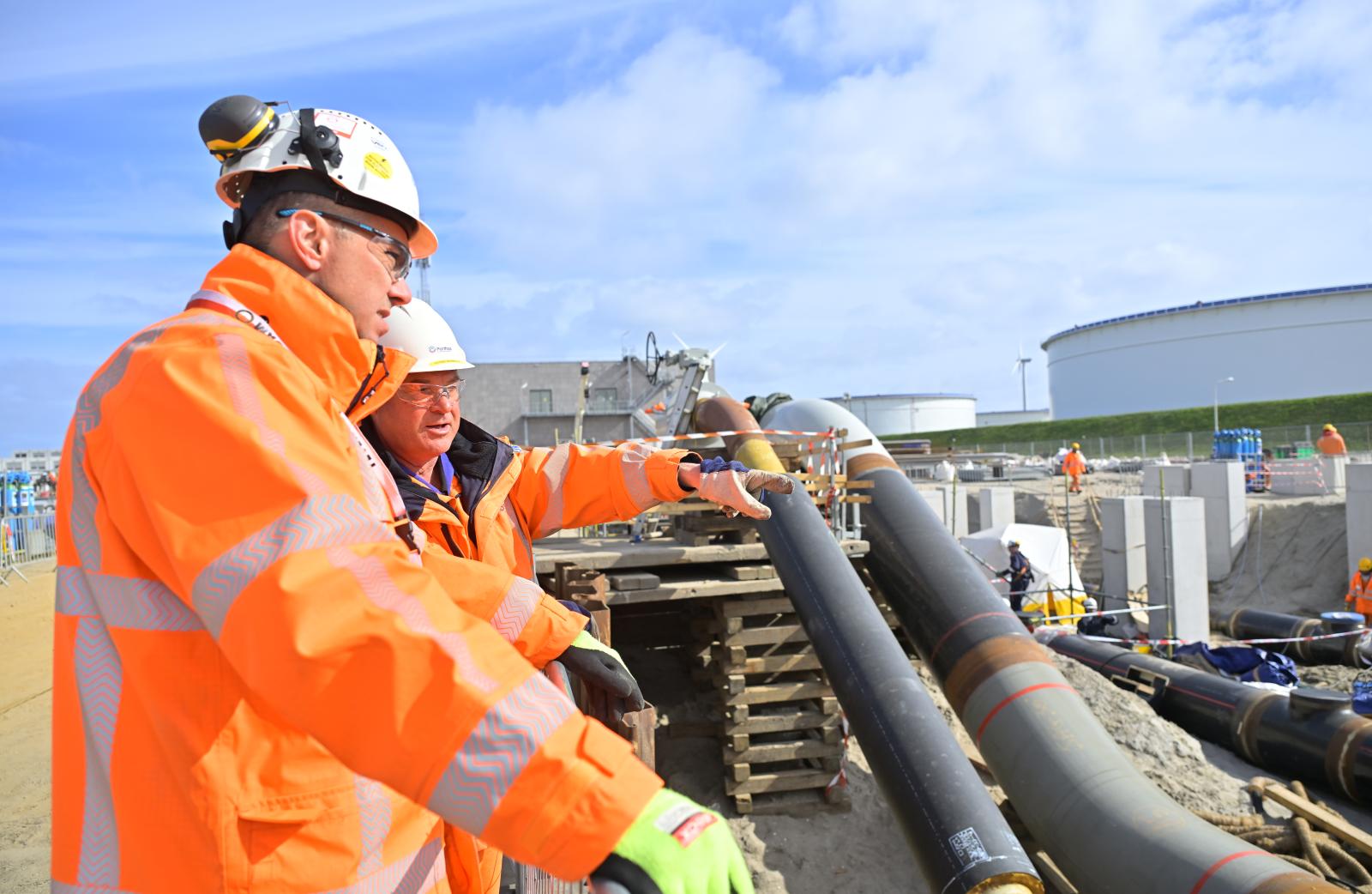
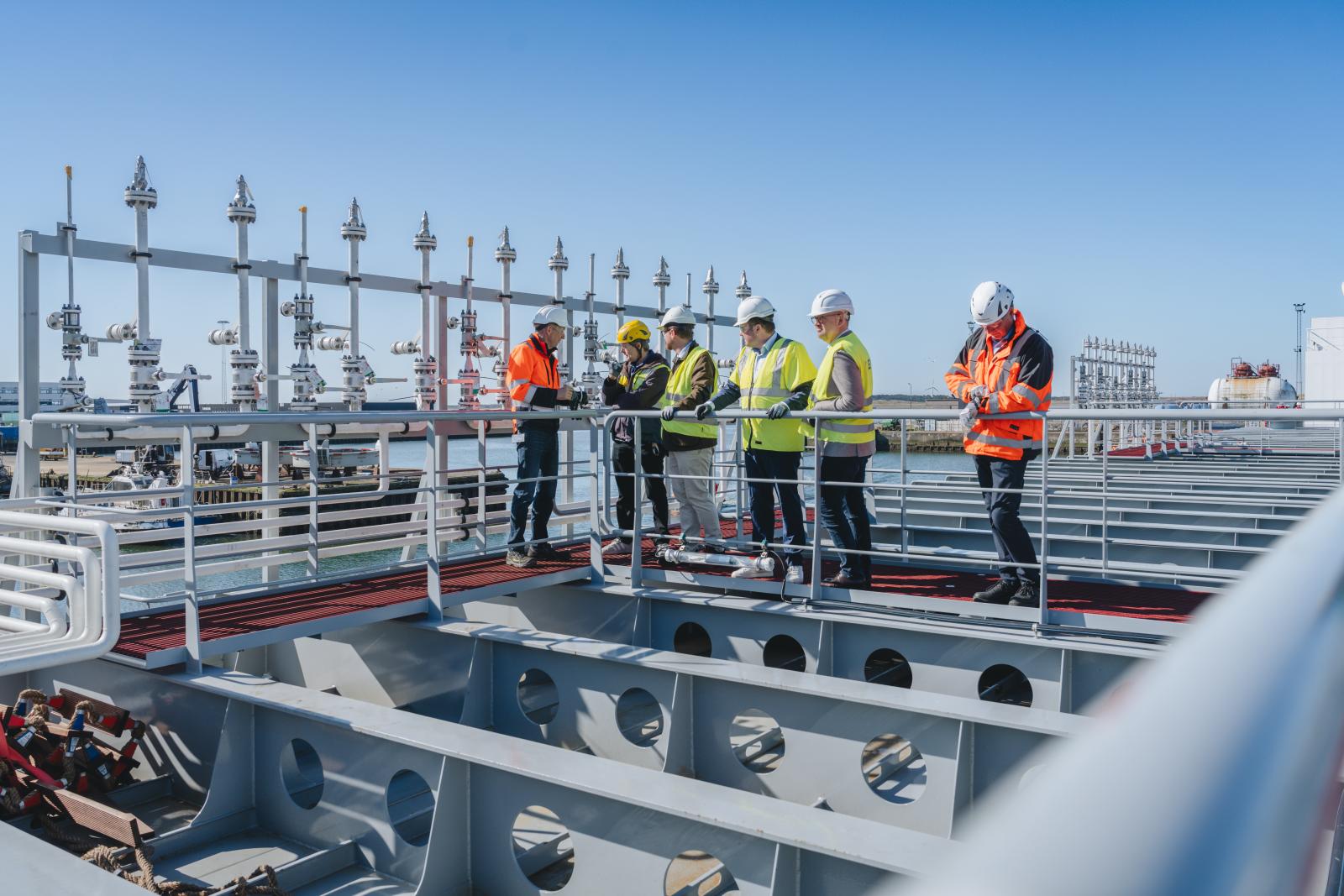
- At the Port of Rotterdam, the Porthos project connects industrial emissions with storage in former gas fields beneath the North Sea.
- At the Port of Antwerp-Bruges, Antwerp@C is developing a shared CO₂ capture and transport network; its aim is to halve the industrial cluster's emissions before 2030.
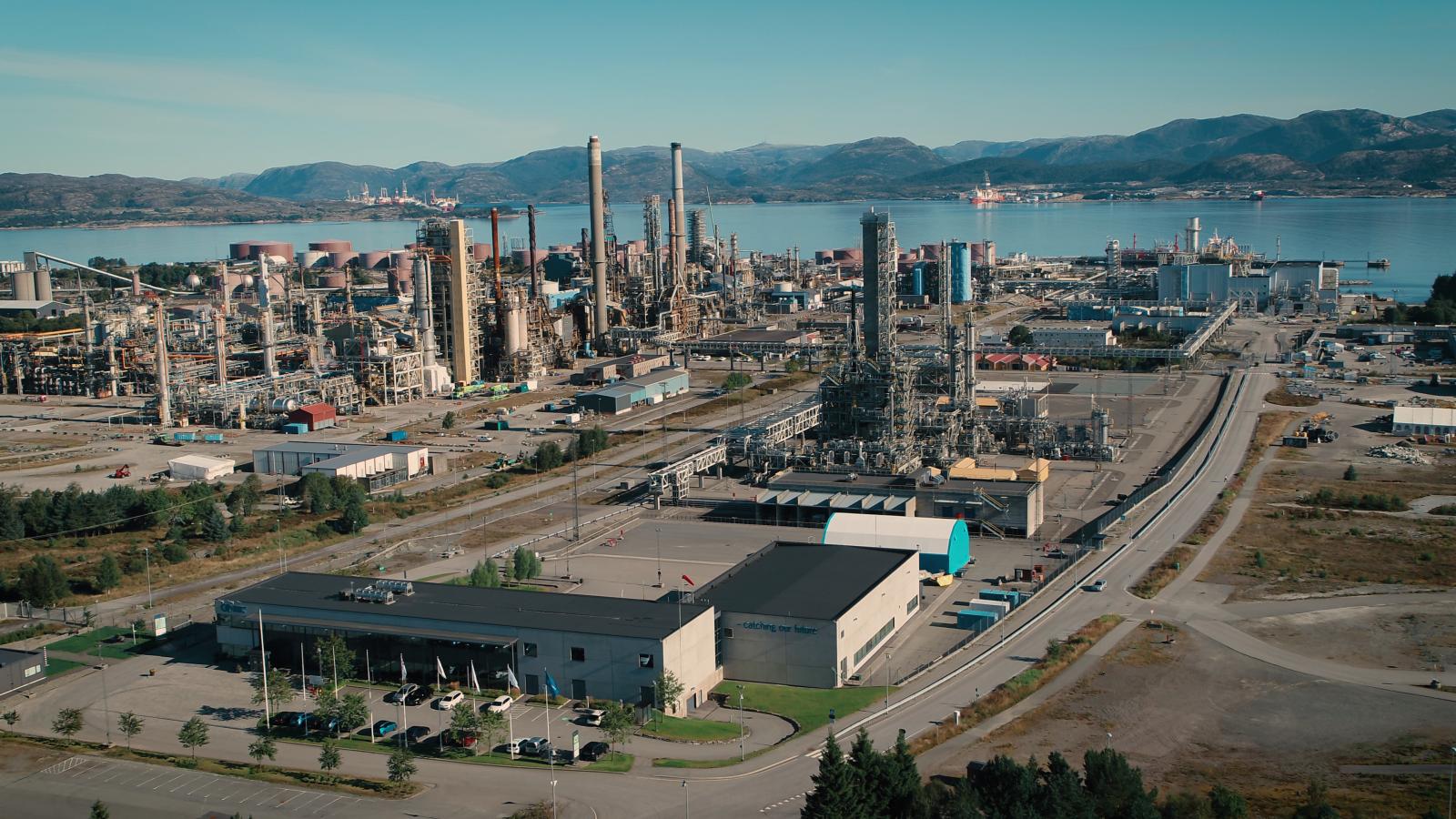
- In Norway, the Longship project integrates capture, maritime transport of liquefied CO₂ and permanent storage open to international emitters.
- At the Port of Esbjerg, Greensand is driving a complete CO₂ capture, transport and storage chain.
The common element is scale: shared infrastructure capable of connecting emitters, ports, transport and storage.

Spain: an ecosystem in development
In Spain, these solutions are still at early stages, but the first moves are already visible in industrial settings.
At the Port of Tarragona, initiatives such as TarraCO₂ are advancing the development of offshore geological storage, in an industrial environment with the potential to integrate carbon capture, storage and reuse. However, the development of this type of infrastructure faces social and territorial constraints. Precedents such as the Castor project, associated with seismic activity and strong public opposition, have shaped public perception of underground storage projects in Spain.
As these projects evolve, collaboration between ports, industry and government will be key to developing shared infrastructure and generating the social acceptance needed for deployment at scale.
The Port de Barcelona: integration into its Energy Transition Plan
The Port de Barcelona addresses carbon management within a broader strategy defined by its Energy Transition Plan (ETP).
The ETP sets out a roadmap geared towards decarbonisation through the diversification of energy vectors and the progressive reduction of emissions. Within this framework, CO₂ is integrated into a system combining electrification, new fuels and hydrogen, with the aim of contributing to the decarbonisation of the logistics chain.
In this strategy, CO₂ takes on relevance in two areas:
- As a feedstock for the production of synthetic fuels.
- As part of circular economy strategies linked to carbon capture and utilisation.
The plan envisages exploring CO₂ capture technologies and their reuse, in line with the development of new energy business models. This approach integrates carbon management with the rest of the port's energy system.
Challenges: scaling up carbon infrastructure
The development of this CO₂ circular economy is not without its challenges:
- The main one is economic: capture requires significant investment in infrastructure.
- There is also a coordination challenge: these projects require aligning industry, ports, regulators and investors over the long term. Finally, the regulatory framework continues to evolve, particularly in the certification of reused CO₂ and in incentives for its use in fuels.
In this context, one of the main challenges is to define its accounting in terms of emissions reduction and to establish frameworks that enable the development of synthetic fuels.
The port as a carbon hub
Ports perform a set of key functions:
- Loading and unloading: CO₂ transfer operations, especially in liquefied form, between vessels, terminals and other logistics infrastructure.
- Aggregation and management of captured CO₂: receiving and concentrating flows from different industrial sources.
- Processing and conditioning: treating the CO₂ (compression, liquefaction or purification) for its transport, storage or reuse.
- Storage: managing CO₂ at terminals for temporary storage or as an intermediate point towards permanent storage.
- Multimodal transport: dispatch by pipeline, ship or rail towards storage or use points.
- Connection with industrial uses: integrating CO₂ into reuse processes, such as the production of synthetic fuels or chemicals.
In this context, ports are consolidating their position as key nodes for scaling up CO₂ circularity and advancing towards a more integrated energy transition.