Blue economy hubs: BlueTechPort and AltaSea connect the ports of Barcelona and Los Angeles

Blue economy hubs, drivers of port innovation
For decades, ports were synonymous with infrastructure and the movement of people and goods. Today they go further, consolidating as innovation ecosystems capable of driving solutions to the challenges of our time, such as decarbonisation and digitalisation. In this paradigm shift, blue economy hubs are becoming catalysts of talent, technology and collaboration to accelerate a new generation of sustainable industries linked to the sea.
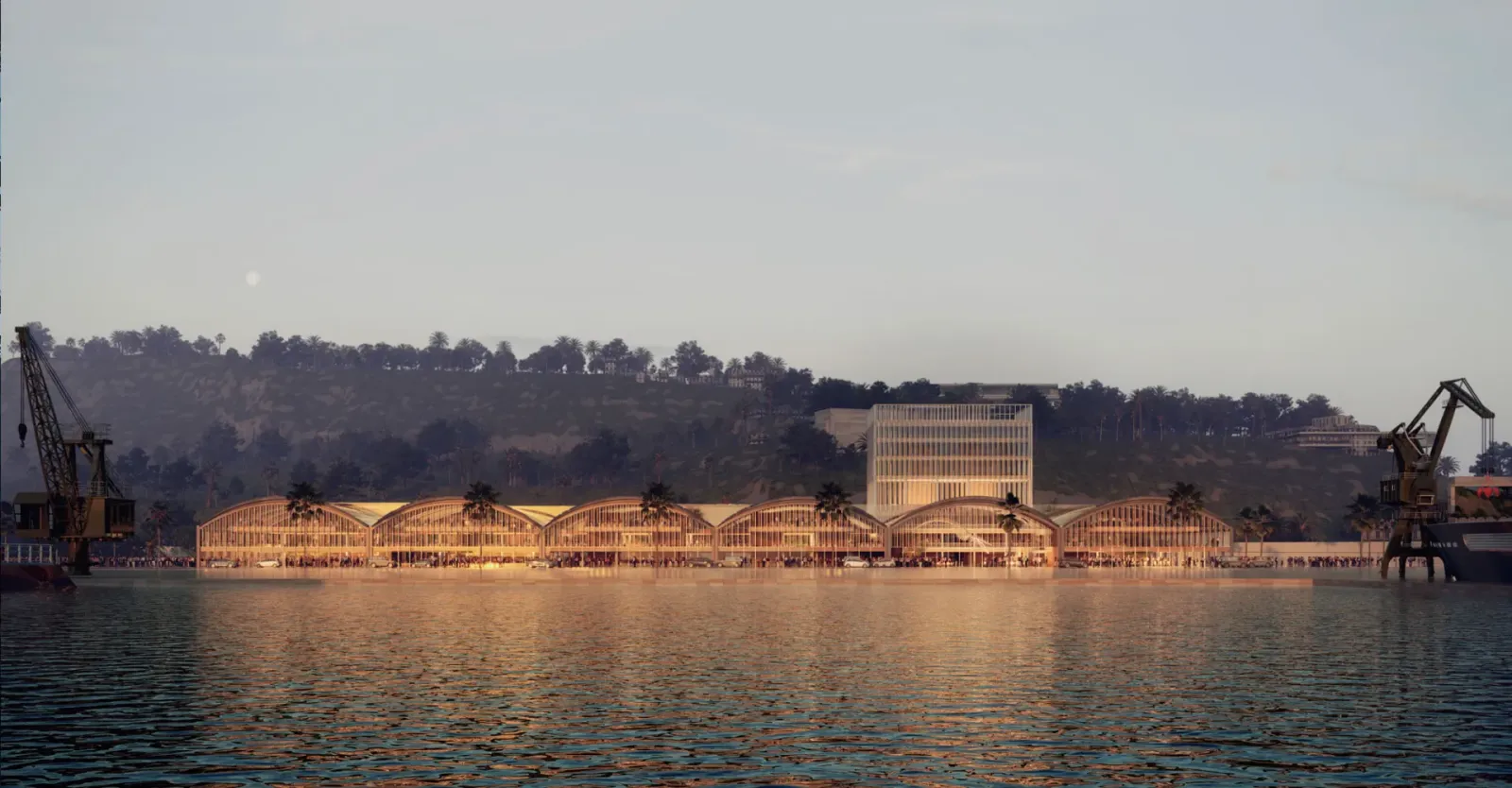
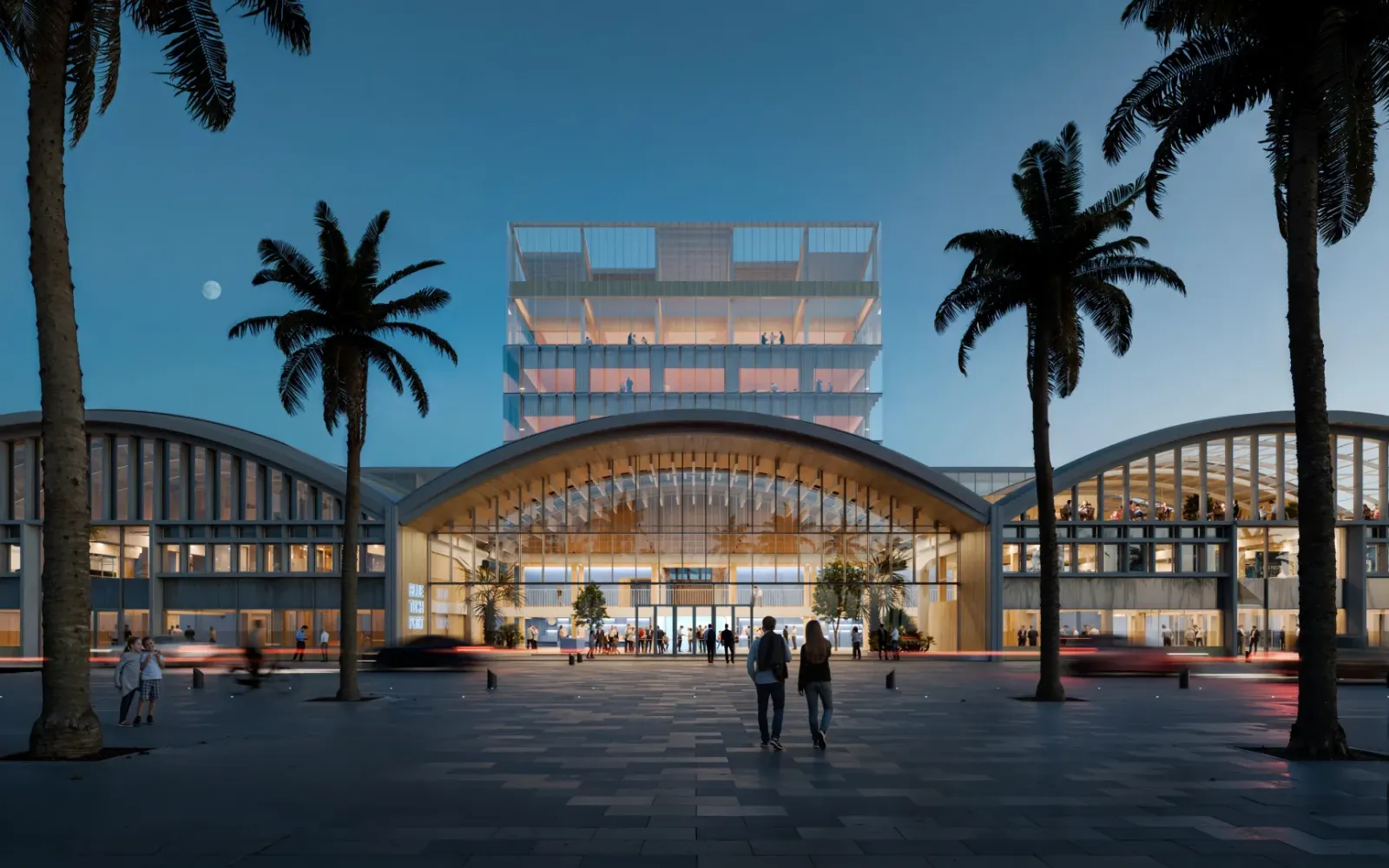
Hubs such as Barcelona's BlueTechPort, embedded in port environments, aim to develop initiatives ranging from sustainable logistics and ocean energy to biotechnology and marine regeneration. And it is no coincidence that they carry increasing weight: the blue economy has established itself as a strategic sector, and ports aspire to play a central role in its development.
"For me, the blue economy is a sustainable ocean economy. And it is clear that ports are very, very involved, not only because we generate many externalities affecting the oceans, but also because we are very important trade nodes: 90% of foreign trade passes through ports, so we have a very close relationship with the blue economy, or the sustainable ocean economy," says Emma Cobos, Director of Innovation and Blue Economy Strategy at the Port of Barcelona.

The blue economy: necessity and opportunity
In Cobos's words, the blue economy is both a necessity and an opportunity for the Port of Barcelona. A necessity because sustainable management is already an imperative and also a way to connect with the public, and an opportunity because the blue economy opens the door to promising sectors in which to develop new lines of business.
"Marine robotics, for example, which we haven't explored much, biotechnology, or everything to do with sea-related energy," says the Director of Innovation and Blue Economy Strategy. "Imagine an agri-food company (a very strong sector in Catalonia) setting up in the hub and using marine resources such as algae. Or a pharmaceutical company using marine resources for its production or research. Ideally, we would have very first-hand contact," Cobos explains.
"It's important that our role isn't just providing a hub with a physical building. It's essential that we talk about the content. And the content depends on creating an ecosystem through instruments such as the Fundació BCN Port Innovation, Ports 4.0 or our alliances with the city council, with other ports and with other hubs," says Cobos. "Creating all those instruments with a strong value proposition: that is what the hub really is."
This model is spreading across leading ports in Europe, North America and Asia, with initiatives such as Pier71 in Singapore and The Beacon in Antwerp (entities the Port of Barcelona works with). Worldwide, the Nordic countries, the United States and Canada lead in the number of startups linked to the blue economy. Other internationally relevant countries include the United Kingdom, Israel, Singapore, New Zealand and Australia.
What is the blue economy?
The blue economy encompasses the economic activities linked to the sea that are carried out under a sustainable logic, from port logistics to ecosystem regeneration:
- According to the 2025 EU Blue Economy Report, in 2022 it provided direct employment to more than 4.82 million people, generated nearly €890 billion in turnover and contributed €250.7 billion in gross value added (GVA) across European Union countries.
- In Barcelona, according to the Barcelona Blue Economy Observatory, the blue economy generates €11,190.7 million, 5% of the city's total business volume, and accounts for 51,238 jobs, 4.3% of the total.
- A report by the Port of Barcelona also highlights biotechnology, desalination, robotics, defence and security among the most relevant innovative sectors of the blue economy.
Barcelona and Los Angeles connect two innovation ecosystems
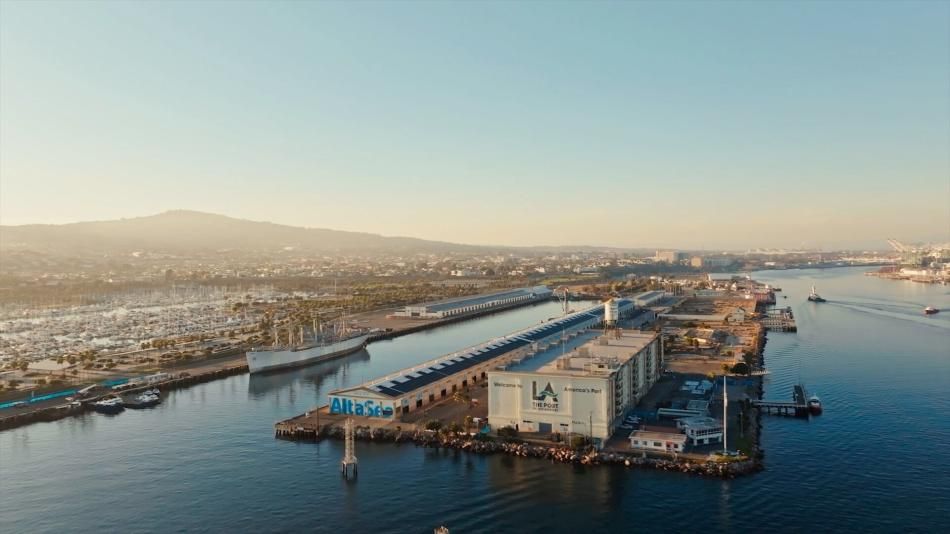
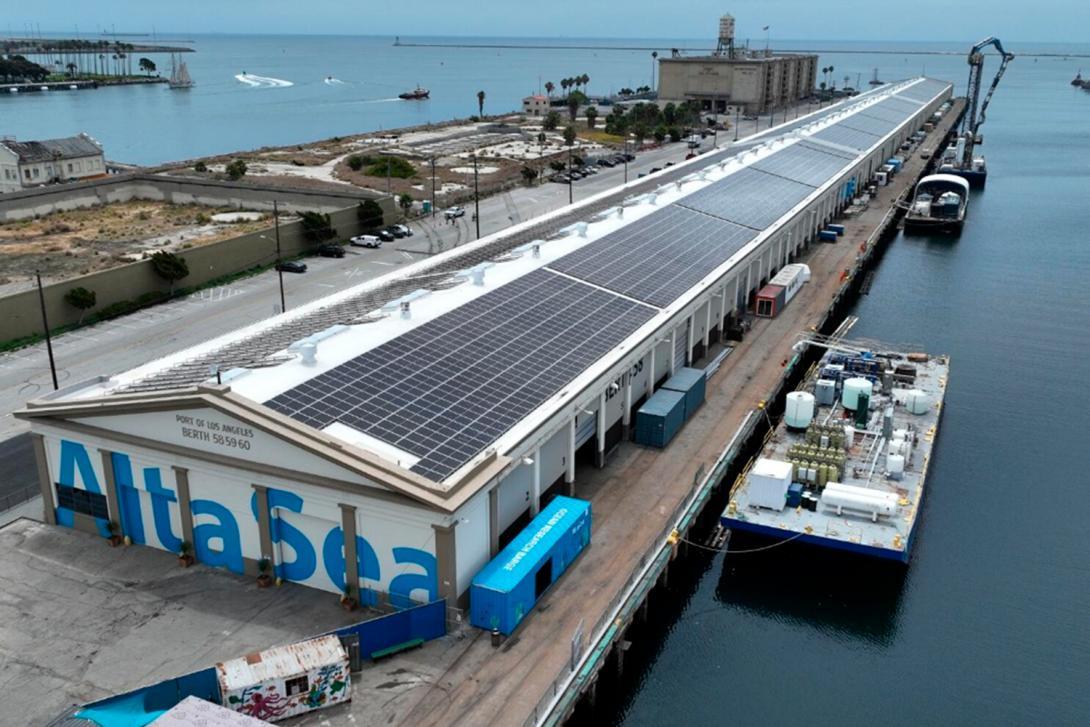
BlueTechPort, the Port of Barcelona's innovation hub managed by the World Trade Center Barcelona, and AltaSea, the blue economy innovation, research and entrepreneurship campus at the Port of Los Angeles, have signed a collaboration agreement to connect the blue economy ecosystems of both cities' ports.
"We've had an important relationship with the Port of Los Angeles for years. They were among the first to have a blue economy innovation hub at the port. So the approach came naturally," Cobos explains.
Through this collaboration, the parties envisage exchanging startups, researchers and pilot programmes, mutually strengthening their innovation networks and creating new opportunities for research centres, investors and public institutions. The two entities have defined several lines of joint work. These include sharing good practice in public policy, community engagement and business development, transferring knowledge on startup acceleration programmes, and giving international projection to blue economy initiatives developed in Barcelona and Los Angeles.
AltaSea's campus currently hosts projects in marine carbon capture, underwater robotics, regenerative aquaculture such as AltaSeads Conservancy, and infrastructure for renewable energy. Through various laboratories and the port space, the hub acts as a place where startups and companies can validate, scale and bring to market solutions linked to the ocean. Educational programmes are also part of the mix.

The Port of Barcelona within the blue economy hub ecosystem
The objectives of the BlueTechPort blue economy hub are aligned with the Port of Barcelona's digitalisation and environmental, economic and social sustainability goals. On digitalisation, the focus is on projects involving digital twins, 5G connectivity and IoT sensors, which attract significant investment.
On the environmental side, there are projects to reduce pollution and emissions, but also others to promote marine regeneration, for example. "And in terms of social sustainability, we are driving it with a hub where companies employing around 2,500 to 3,000 people will be working. That is also an impact," says Cobos.
According to the Director of Innovation and Blue Economy Strategy, the hub linked to the Port of Barcelona aims to establish itself as a value proposition built on alliances, innovation and international connection. "Why not aim for it to become a European blue economy benchmark? First we have to be able to create a value proposition where it's not just us, but where instruments and alliances prevail," Cobos concludes.